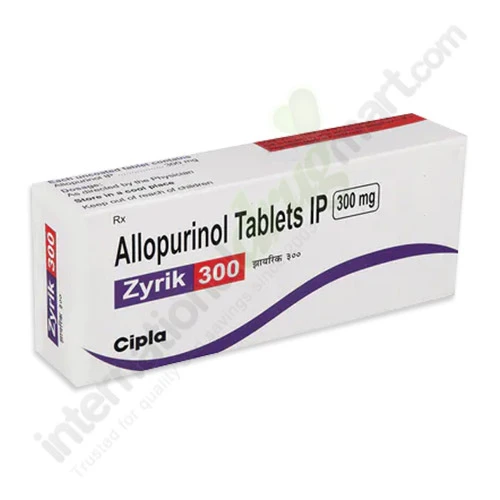
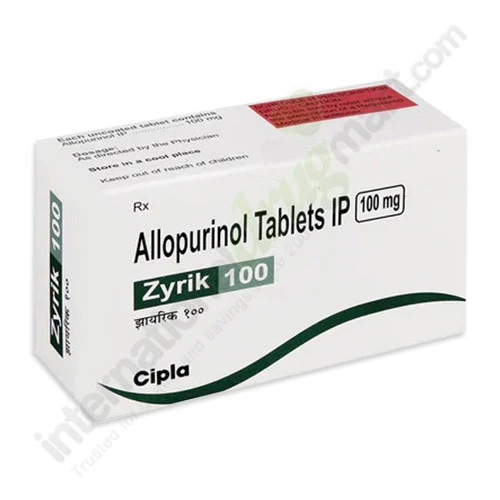
What is Allopurinol 100mg used for?
Allopurinol 100mg is used to treat gout, kidney stones, and tophi (uric acid deposits in tissues), which are caused by excessive levels of uric acid in the blood. It is also used to prevent elevated blood uric acid levels in patients undergoing cancer chemotherapy. Allopurinol works by reducing the production of uric acid in your body. This medicine may also be used to treat other conditions as determined by your doctor.What are the allopurinol side effects 100mg?
Like other medicines, allopurinol 100 mg can cause side effects. If they do occur, they’re usually mild and short-lived. However, some may be serious and require you to inform your doctor or go to the nearest hospital straightaway.- Common: rash or itchy skin; mild nausea or stomach upset; diarrhoea; headache; feeling drowsy or dizzy.
- Taste changes or dry mouth; occasional vomiting; slight rise in liver enzymes on blood tests.
- Joint or muscle pains early on as uric acid levels shift.
- Photosensitivity: skin more sensitive to sunlight—use sunscreen.
- Reduced appetite or general tiredness.
- Serious (seek urgent help): widespread rash, blistering, mouth ulcers, fever, swollen glands—signs of severe hypersensitivity.
- Breathing or facial swelling—possible allergy.
- Blood problems: unusual bruising or infections.
- Drink water and report persistent side effects to your GP
What is the recommended dosage of Allopurinol?
The dosage of Allopurinol prescribed to each patient will vary. Always follow your physician’s instructions and/or the directions on the prescription drug label.What if you miss a dose of Allopurinol?
If your physician has instructed or directed you to take Allopurinol medication in a regular schedule and you have missed a dose of this medicine, take it as soon as you remember. However, if it is almost time for your next dose, then skip the missed dose and go back to your regular dosing schedule. Do not double the doses unless otherwise directed.What if you overdose on Allopurinol?
Any medication taken in excess can have serious consequences. If you suspect an overdose of Allopurinol, seek medical attention immediately.What other drugs could interact with Allopurinol 100mg?
- Ampicillin
- Chlorpropamide
- Cyclosporine
- Dicoumarol
- Mercaptopurine
Where can I buy Allopurinol 100mg over the counter in UK ?
In the UK, allopurinol 100 mg isn’t available over the counter; it’s a prescription-only medicine. Your options are:- See your GP for an NHS prescription
- Use a registered UK online pharmacy with a clinician-led questionnaire that issues a private prescription if appropriate
- Visit a high-street pharmacist for advice and referral. Avoid unregulated websites and imports. For flares, a pharmacist may recommend suitable OTC pain relief while you arrange proper urate-lowering treatment and follow-up blood tests regularly.
Can I buy Allopurinol 100mg without a prescription?
Allopurinol 100mg without prescription is used to treat gout and kidney stones. It is also prescribed for having some types of cancer treatment. Some treatments can also lead to build-up of uric acid. This medicine comes as 100mg and 300mg tablets and is only available on prescription.Can colchicine and allopurinol be taken together?
Yes. They’re often used together but for different jobs. Allopurinol lowers uric acid long-term, while colchicine helps prevent or treat flares, especially when starting or adjusting allopurinol. Your GP may advise a short course of low-dose colchicine during the first months to reduce flare risk. Keep taking allopurinol during flares unless your clinician says otherwise. Watch for tummy upset, diarrhoea, or drug interactions, and stay well hydrated.
How to take allopurinol 100mg for gout treatment?
Take allopurinol 100 mg once daily, ideally after food with a full glass of water. Start low and go slow—your GP will adjust the dose using urate blood tests and kidney checks. Don’t start during a flare, but if you’re already on it, keep taking it. Many patients use low-dose colchicine at the beginning to cut flare risk. Avoid heavy alcohol, stay well hydrated, and don’t stop suddenly.- Start low: usually 100 mg once daily, then your GP may increase in 100-mg steps every 2–4 weeks to reach your target serum urate.
- When to take: same time each day, after food with a full glass of water.
- Keep taking it during flares (don’t stop), but use flare treatment as advised.
- Protection at the start: your GP may add low-dose colchicine or an anti-inflammatory for 3–6 months.
- Monitoring: regular blood tests (urate, kidneys, liver) guide dose changes.
- Hydration & lifestyle: drink plenty of water; limit alcohol and high-purine foods.
- Missed dose: take it when remembered unless close to the next—don’t double up.
- Urgent help: stop and seek care for rash, fever, mouth ulcers, facial swelling, or severe tummy upset.
How long does allopurinol take to work?
Allopurinol starts lowering uric acid within days, but the clinical benefit builds over weeks to months. Many people see fewer flares after three to six months once target urate is reached and maintained. Blood tests guide dose adjustments to hit the goal level. It isn’t a painkiller for acute attacks, so you’ll still need flare treatment initially. Stick with the daily dose, stay hydrated, and attend scheduled monitoring.
Can i buy allopurinol for dogs in UK?
In the UK, you can buy allopurinol for dogs only through a qualified vet or licensed pet pharmacy. Your vet will assess your dog’s condition and advise the correct dose and duration. Once recommended, you can order it from a trusted UK veterinary pharmacy. Avoid using human versions, as pets need specific strengths and monitoring for safe, effective treatment.