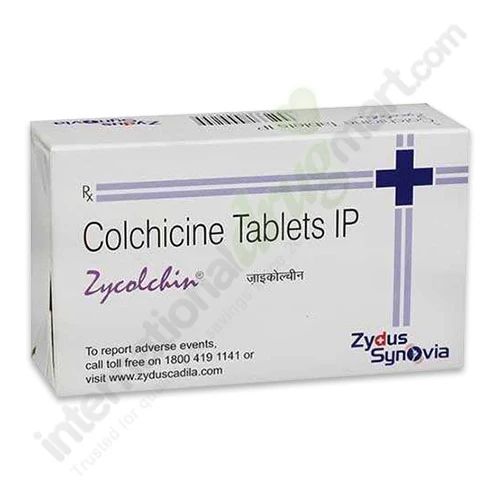
What Is Colchicine?
Colchicine is a prescription medicine used to treat gout flares, help prevent gout attacks, and manage familial Mediterranean fever.
Colchicine belongs to a class of medicines called anti-gout agents. It helps calm inflammation, especially the joint inflammation caused by uric acid crystals during gout. It is not a general painkiller and should not be used for pain from other causes.
Colchicine is available as oral tablets, capsules, and oral solution. Common forms include 0.6 mg tablets or capsules and 0.6 mg/5 mL oral solution. Some colchicine products are also used for selected heart-related risk reduction, but that use should be managed by a cardiologist.
What Does Colchicine Do?
Colchicine helps reduce inflammation linked to gout flares, but it does not lower uric acid or cure gout.
During a gout flare, uric acid crystals irritate the joint and trigger swelling, redness, heat, and severe pain. Colchicine helps slow this inflammatory reaction. It may work best when taken early in a flare, exactly as prescribed.
For long-term gout control, doctors may also use uric acid-lowering medicines such as allopurinol or febuxostat. Colchicine may be used alongside these medicines to reduce flare risk during treatment changes.
Colchicine for Gout
Colchicine for gout is commonly prescribed to treat acute flares or help prevent future attacks.
In an acute gout flare, colchicine may reduce joint inflammation when started at the first sign of symptoms. For prevention, a doctor may prescribe a low daily dose, especially when starting uric acid-lowering therapy.
Colchicine is not suitable for every gout patient. Kidney disease, liver disease, older age, and interacting medicines can increase the risk of side effects or toxicity.
What Is the Recommended Dosage of Colchicine?
Colchicine dosage per day depends on the condition, age, kidney function, liver function, and other medicines being taken.
Doctors use different dosing plans for acute gout, gout prevention, familial Mediterranean fever, and heart-related uses. Do not copy another person’s dose. Colchicine has a narrow safety margin, so taking extra tablets can be dangerous.
Colchicine Dosage for Adults
Adult colchicine dosage must be individualized by a licensed medical specialist.
Some adults take colchicine only for a short gout flare plan. Others may take it daily for gout prevention or familial Mediterranean fever. Patients with kidney or liver impairment may need a lower dose, longer spacing between doses, or a different medicine.
How to Take Colchicine for Acute Gout
Colchicine for acute gout should be taken exactly as written on the prescription label.
It is usually most useful when taken early in a flare. Do not keep repeating doses if pain continues unless your doctor tells you to. Severe diarrhea, vomiting, or weakness may be warning signs that the dose is too much for your body.
How Colchicine Works
Colchicine works by reducing the activity of inflammatory cells involved in gout and familial Mediterranean fever.
In gout, white blood cells react strongly to uric acid crystals inside the joint. Colchicine helps limit this reaction, which may reduce swelling, warmth, redness, and pain.
Colchicine manages inflammation. It does not remove uric acid crystals, repair joint damage, or replace long-term gout prevention when that is needed.
Colchicine Side Effects
Colchicine side effects are often stomach-related, but serious reactions can happen if levels become too high.
Common Colchicine Side Effects
Common colchicine side effects include diarrhea, nausea, vomiting, stomach pain, and stomach cramps. These symptoms may be mild, but they can also be early signs of excess colchicine exposure.
Call your doctor if stomach symptoms are severe, persistent, or happen with weakness, dehydration, or unusual tiredness.
Serious Colchicine Side Effects
Serious colchicine side effects may include muscle pain or weakness, numbness, tingling, unusual bruising, unusual bleeding, fever, sore throat, severe fatigue, or signs of infection.
Seek urgent medical help for severe vomiting or diarrhea, trouble breathing, fainting, confusion, blood in stool, severe weakness, or suspected overdose.
Colchicine Interactions
Colchicine interactions can be serious because some medicines raise colchicine levels in the body.
Important interacting medicines include clarithromycin, erythromycin, ketoconazole, itraconazole, ritonavir-containing HIV medicines, cyclosporine, verapamil, diltiazem, statins, and fibrates. These combinations may increase the risk of muscle injury, blood problems, or colchicine toxicity.
Tell your doctor about all prescription medicines, OTC pain relievers, antibiotics, heart medicines, cholesterol medicines, vitamins, supplements, and herbal products.
Foods to Avoid When Taking Colchicine
Grapefruit and grapefruit juice should usually be avoided while taking colchicine.
Grapefruit can affect how the body processes colchicine and may increase side effect risk. For gout, your doctor may also advise limiting alcohol, organ meats, high-purine seafood, and sugary drinks. These diet steps support gout control but do not replace prescribed treatment.
Safety & Important Considerations
Colchicine needs extra caution in people with kidney disease, liver disease, blood disorders, or muscle problems.
Older adults may need closer monitoring because kidney function can decline with age. Patients taking statins or fibrates should report unexplained muscle pain, weakness, or dark urine.
Pregnant or breastfeeding patients should use colchicine only after a doctor reviews the risks and benefits. Do not stop long-term colchicine suddenly without medical advice, especially if it is being used for familial Mediterranean fever or flare prevention.
Who This Medication Is For
Colchicine may be prescribed for adults with acute gout flares, patients needing gout flare prevention, and people with familial Mediterranean fever.
It may also be prescribed in selected cardiovascular situations using the appropriate colchicine product. The right use depends on diagnosis, medical history, kidney and liver function, and current medicines.
Who Should Not Take Colchicine
Colchicine may not be suitable for people with certain medical risks or interacting medicines.
Do not take colchicine without specialist review if you have:
- A known allergy to colchicine
- Severe kidney disease
- Severe liver disease
- Both kidney and liver impairment
- Current use of strong interacting drugs such as clarithromycin or certain antifungals
- Serious blood disorders
- Severe ongoing diarrhea or vomiting
- Previous colchicine toxicity
What to Do If You Miss a Dose
If you miss a regular colchicine dose, take it when remembered unless it is almost time for the next dose.
Skip the missed dose if your next dose is due soon. Do not take two doses together. If you are using colchicine for an acute gout flare and are unsure about timing, ask your doctor or pharmacist before taking more.
Alternatives to Colchicine
Alternatives to colchicine depend on whether the goal is flare relief or long-term gout control.
For acute gout flares, doctors may consider NSAIDs such as naproxen or indomethacin, or corticosteroids such as prednisone. For long-term uric acid control, medicines such as allopurinol, febuxostat, or probenecid may be used.
Switching treatment should be done only after a clinical review. These medicines work differently and have different risks.
Storage Instructions
Store colchicine at room temperature in its original container.
Keep it away from moisture, heat, and direct light. Do not store it in the bathroom. Keep the bottle tightly closed and out of reach of children and pets.
Frequently Asked Questions
What foods should you avoid when taking colchicine?
Avoid grapefruit and grapefruit juice unless your doctor says otherwise. For gout control, patients may also be advised to limit alcohol, organ meats, high-purine seafood, and sugary drinks.
How many days can you take colchicine?
The safe number of days depends on the condition and your prescription plan. Acute gout use is usually short term, while prevention or familial Mediterranean fever may need longer treatment with monitoring.
Can colchicine and allopurinol be taken together?
Yes, colchicine and allopurinol can be taken together when prescribed. Allopurinol lowers uric acid, while colchicine may help prevent or treat flares during treatment changes.
Is colchicine tablets available over the counter?
No. colchicine tablets is not available over the counter. This medicine requires a valid prescription because a healthcare provider must check whether it is appropriate for your condition, current medicines, and overall health before using it.Why is a prescription needed for colchicine tablets?
A prescription is needed because colchicine tablets may cause side effects, drug interactions, or risks if used incorrectly. A healthcare provider must review your medical history and decide whether this medicine is appropriate for you.Disclaimer
This page is for educational purposes only. It is not a substitute for professional medical advice, diagnosis, or treatment. Patients must consult a licensed rheumatologist, cardiologist, or relevant medical specialist before starting, changing, or stopping colchicine. Treatment decisions must be based on a full clinical evaluation by a qualified specialist.