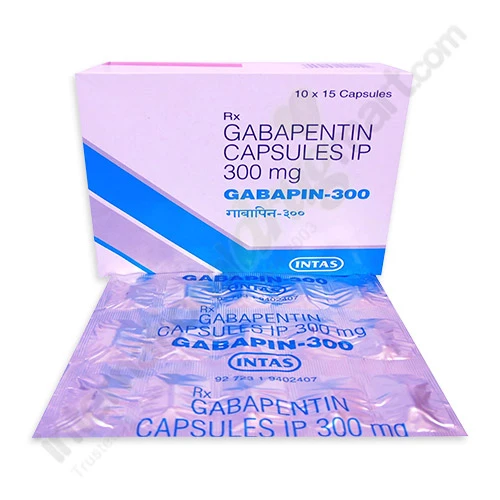
What is Gabapentin 300 mg?
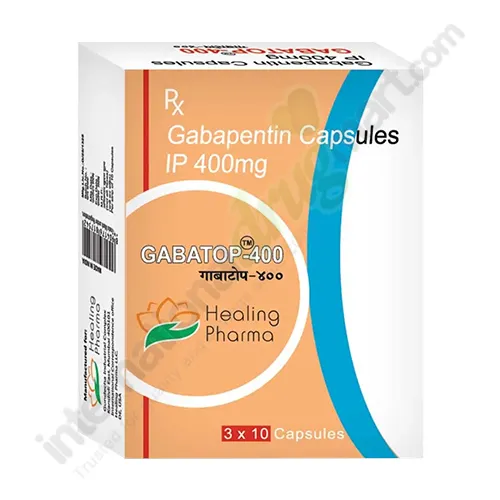
Gabapentin 300 mg is a commonly prescribed medicine used to manage nerve pain and seizures. It helps calm overactive nerve signals in the brain, reducing pain and preventing convulsions. Doctors often recommend it for people with diabetic nerve pain, shingles pain, or partial seizures.
What Is Gabapentin 300 mg Used For?
Gabapentin 300 mg helps treat:
-
Nerve pain (neuropathy)
-
Partial or focal seizures
-
Restless leg syndrome (in some cases)
It works by balancing calcium activity in nerve cells, helping prevent abnormal nerve firing that causes pain or seizures. Gabapentin is only available with a valid prescription in Australia.
How to Take Gabapentin 300 mg?
Follow your doctor’s instructions carefully. Gabapentin can be taken with or without food. Swallow the capsule whole with water — do not crush or chew it.
If you miss a dose, take it when you remember unless it’s close to your next dose. Skip the missed one and continue as normal. Never double your dose.
Recommended Dosage
The usual starting dose is 300 mg once daily, gradually increased depending on your response. Typical daily doses range between 900 mg and 2,400 mg, split into smaller doses. Children’s doses vary based on weight and age. Never change your dose without medical advice.
How Long Does Gabapentin 300 mg Take to Work?
Gabapentin doesn’t work instantly. Most people feel relief within 1 to 3 weeks. For seizures, it may take longer for full effect. Your doctor will start with a low dose and slowly increase it to reach the right level for your condition.
How Long Can You Stay on Gabapentin?
Many people use Gabapentin safely for months or years under medical supervision. Regular check-ups ensure the medicine continues to work well and stays safe for long-term use.
What Happens If You Take Too Much?
Taking too much Gabapentin can cause dizziness, drowsiness, blurred vision, or even fainting.
If you suspect an overdose, seek medical help immediately — call 000 or go to the nearest emergency department.
Possible Side Effects
Common side effects include:
-
Dizziness or tiredness
-
Nausea or vomiting
-
Headache
-
Swelling in legs or hands
Serious side effects like allergic reactions, breathing difficulty, or rash are rare but require urgent medical attention.
Withdrawal and Stopping Gabapentin
Do not stop Gabapentin suddenly. Doing so may cause anxiety, insomnia, nausea, or seizures.
Doctors recommend gradually tapering your dose over several days or weeks to avoid withdrawal symptoms.
Drug Interactions
Gabapentin may interact with other medicines, such as:
-
Morphine
-
Naproxen
-
Hydrocodone
Tell your doctor about all medicines, supplements, or herbal products you take. Avoid alcohol as it can worsen dizziness and sleepiness.
Gabapentin for Alcohol Withdrawal
Some studies suggest Gabapentin may reduce alcohol cravings and improve sleep during withdrawal. However, this is an off-label use and should only be done under medical supervision.
Alternatives to Gabapentin
If Gabapentin doesn’t suit you, your doctor might recommend:
-
Pregabalin (Lyrica) – treats nerve pain and seizures
-
Duloxetine (Cymbalta) – for nerve pain and anxiety
-
Amitriptyline (Endep) – for pain and sleep issues
-
Lidocaine patches – for localised pain relief
Can You Buy Gabapentin Over the Counter in Australia?
No. Gabapentin is a prescription-only medicine in Australia. You cannot legally buy it over the counter or from unapproved websites. Always get it from a licensed Australian pharmacy with a valid doctor’s prescription.
How Much Does Gabapentin 300 mg Cost in Australia?
Prices vary depending on the pharmacy and brand. A month’s supply usually costs between AUD 1.86 - AUD 2.27 . Buying online from trusted pharmacies may help you save on generic Gabapentin 300 mg.