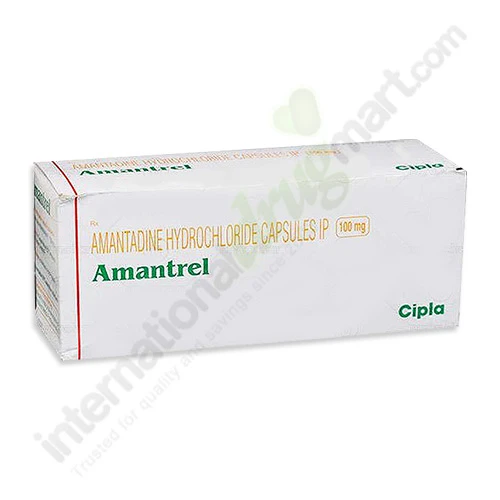
What is Amantadine HCl 100mg used for?
Amantadine HCl 100mg is prescribed to help prevent or treat respiratory infections caused by influenza A (flu). This antiviral medicine is also used in the management of Parkinson’s disease and to treat movement disorders (extrapyramidal symptoms) caused by certain psychiatric medications. Your doctor may also recommend it for other conditions as considered appropriate for your health.
What are the side effects of Amantadine HCl 100mg?
Like all medicines, Amantadine HCl 100mg can cause side effects. Most are mild and temporary, though some may be more serious and require medical attention.
Common side effects may include:
-
Dry mouth
-
Drowsiness
-
Dizziness
-
Headache
-
Nausea or stomach upset
-
Constipation
Serious side effects may include:
-
Depression or mood changes
-
Rapid or irregular heartbeat
-
Shortness of breath
-
Swelling in the hands, legs, or feet
If any side effects appear or worsen, contact your doctor immediately. This list is not complete, and your healthcare provider can offer more guidance on what to watch for.
What is the recommended dosage of Amantadine HCl?
The dosage of Amantadine HCl varies from person to person depending on their condition and response to treatment. Always follow your doctor’s instructions or the details on your prescription label.
You may take Amantadine HCl with or without food. Try to take it at the same time each day for best results.
What if you miss a dose of Amantadine HCl?
If you forget a dose, take it as soon as you remember. However, if it’s nearly time for your next scheduled dose, skip the missed one and continue as normal. Do not take a double dose to make up for a missed one unless your doctor advises otherwise.
What if you overdose on Amantadine HCl?
Taking too much Amantadine HCl can be harmful. Seek immediate medical attention if you suspect an overdose.
Symptoms of overdose may include:
-
Severe drowsiness or confusion
-
Fast or irregular heartbeat
-
Mood or behaviour changes
-
Seizures
-
Blurred vision
Prompt medical help can prevent serious complications.
What other drugs could interact with Amantadine HCl 100mg?
Amantadine HCl 100mg may interact with several medicines, including:
-
Diphenhydramine
-
Memantine
-
Quinidine
-
Thioridazine
-
Triamterene
Other medications, supplements, or herbal remedies may also interact. Always inform your doctor about everything you take — including over-the-counter medicines, vitamins, and herbal products — to help avoid unwanted drug interactions.
Amantadine HCl can interact with:
-
Certain psychiatric medications
-
Diuretics (water tablets)
-
Anticholinergics
-
Antihistamines
-
Some cough and cold preparations
Avoid alcohol, caffeine, and recreational drugs while taking this medicine, as they may affect how it works. Tell your doctor about any health conditions or family medical history that could influence your treatment. Never start or stop any medication without your doctor’s advice.
FAQ's
What is the mechanism of action of Amantadine HCl 100mg?
Amantadine HCl 100mg works by increasing dopamine levels in the brain, helping improve movement and coordination in Parkinson’s disease. It also blocks the spread of the influenza A virus. By restoring chemical balance, it reduces stiffness, tremors, and fatigue while improving alertness and motor control.
Is Amantadine HCl 100mg safe during pregnancy?
Amantadine HCl is generally not recommended during pregnancy due to possible risks to the baby. Research in humans is limited, but animal studies show potential harm. Pregnant women should only take it if a doctor believes the benefits outweigh the risks. Always seek medical advice before using Amantadine during pregnancy or while breastfeeding.
Does Amantadine HCl 100mg cause hypersexuality?
In rare cases, Amantadine HCl may cause behavioural changes like increased sexual urges or compulsive behaviour. This happens because it affects dopamine, a chemical linked to reward and pleasure. If unusual urges or mood changes occur, patients should contact their doctor. Adjusting the dose or switching medicines can usually help manage these effects.
What kind of pain does Amantadine HCl 100mg treat?
Amantadine HCl isn’t a typical painkiller, but it can help with pain caused by stiffness or nerve dysfunction, often linked to Parkinson’s disease or multiple sclerosis. It helps relax tight muscles and reduce discomfort, making movement easier. It’s not used for general pain like headaches or joint aches.
Does Amantadine HCl 100mg help with neuropathy?
Amantadine may help some people with neuropathic pain, especially when caused by nerve damage or chronic conditions. It works by altering pain signals in the brain and spinal cord, reducing burning or tingling sensations. However, it’s not the first choice for neuropathy and should only be used under medical supervision.
How quickly does Amantadine HCl 100mg start working?
Amantadine HCl usually starts showing effects within a few days to a week. For Parkinson’s symptoms, it may take up to two weeks for noticeable improvement. When used for flu, it works best if started within two days of symptoms. Always follow your doctor’s directions for consistent results.
Can Amantadine HCl 100mg be taken with levodopa?
Yes, Amantadine HCl can be taken with levodopa. Doctors often prescribe them together to control Parkinson’s symptoms more effectively. The combination helps improve movement and reduce “off” periods between levodopa doses. However, side effects like dizziness or confusion may occur, so dose adjustments should only be made by your doctor.