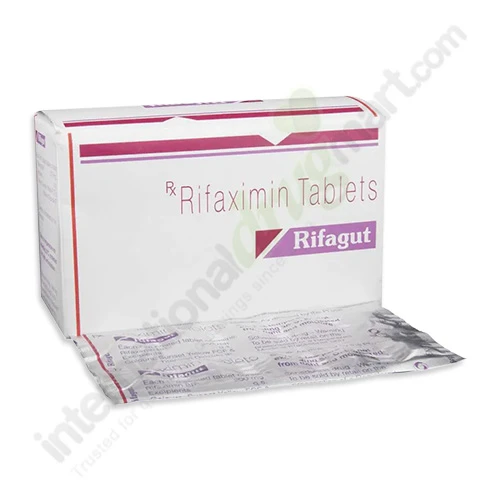
What is Rifaximin used for?
Rifaximin is an antibiotic used to treat traveler’s diarrhea caused by E. coli bacteria. It is also used to prevent hepatic encephalopathy (liver disorder). This medication works by stopping the growth of bacteria. This medicine may also be used to treat other conditions as determined by your doctor.
How Rifaximin works
Rifaximin works by blocking bacterial growth in the intestines. It stops bacteria from making proteins they need to survive. This reduces symptoms like bloating, diarrhea, and stomach pain. In liver disease, lowering bacteria also helps reduce ammonia, which protects the brain from confusion and memory problems caused by hepatic encephalopathy.
What are the side effects of Rifaximin?
Like other medicines, Rifaximin can cause some side effects. If they do occur, the side effects of Rifaximin are most likely to be minor and temporary. However, some may be serious and may require the individual to inform the doctor or visit the nearest hospital immediately.
It is pertinent to note that side effects of Rifaximin cannot be anticipated. If any side effects of Rifaximin develop or change in intensity, the doctor should be informed as soon as possible.
Rifaximin can cause side effects such as nausea, vomiting, constipation, headache, dizziness, stomach pain, and tired feeling. This is not a complete list of all side effects. Do concur with your doctor and follow his directions completely when you are taking Rifaximin.
Rifaximin mechanism of action
Rifaximin works by binding to bacterial RNA polymerase, an enzyme needed for bacteria to make proteins. Without this, bacteria cannot grow or survive. Since Rifaximin stays mostly in the gut, it reduces harmful bacteria where they live without being absorbed much into the blood. This makes it safer and effective for long-term gut conditions.
What is the recommended dosage of Rifaximin?
The dosage of Rifaximin prescribed to each patient will vary. Always follow your physician’s instructions and/or the directions on the prescription drug label.
Rifaximin can be taken with or without food.
What if you miss a dose of Rifaximin?
If your physician has instructed or directed you to take Rifaximin medication in a regular schedule and you have missed a dose of this medicine, take it as soon as you remember. However, if it is almost time for your next dose, then skip the missed dose and go back to your regular dosing schedule. Do not double the doses unless otherwise directed.
What if you overdose on Rifaximin?
Any medication taken in excess can have serious consequences. If you suspect an overdose of Rifaximin, seek medical attention immediately.
What other drugs could interact with Rifaximin?
Usually drug interactions occur when it is taken with another drug or with food. Before you take a medication for a particular ailment, you should inform the health expert about intake of any other medications including non-prescription medications, over-the-counter medicines that may increase the effect of Rifaximin, and dietary supplements like vitamins, minerals and herbal, so that the doctor can warn you of any
Do let your doctor know if you smoke, consume alcohol or caffeinated drinks, or use illegal drugs as these may interfere with the action of your medication. Make sure to inform your doctor of any medical conditions you may have, or any family history of medical problems. Do not start or stop using any medicine without consulting your doctor.
FAQ’s
What is Rifaximin used to treat?
Rifaximin is an antibiotic that works mostly in the gut. Doctors prescribe it to treat irritable bowel syndrome with diarrhea (IBS-D), traveler’s diarrhea, and to lower the risk of hepatic encephalopathy in people with liver disease. It works by reducing harmful bacteria in the intestines, which helps improve digestion and lowers toxins that may affect brain health.
What is the best medication for IBS-D?
There isn’t a single “best” medicine for IBS-D, but Rifaximin is often recommended. It helps many adults by reducing harmful gut bacteria, which lessens diarrhea, bloating, and stomach discomfort. Other treatments may include dietary changes, antispasmodics, or probiotics. Doctors choose the right medicine based on a person’s symptoms and overall health.
Is Rifaximin good for IBS-D?
Yes, Rifaximin is effective for IBS-D. Clinical studies show that it improves diarrhea and bloating in many people. The medicine works directly in the gut, where it targets bacteria linked to symptoms. Unlike some antibiotics, Rifaximin isn’t absorbed much into the bloodstream, so it mainly acts in the intestines and has fewer body-wide side effects.
How long does Rifaximin work for IBS-D?
Most people take Rifaximin for 14 days when treating IBS-D. Relief from diarrhea and bloating often lasts for several weeks or even months after finishing treatment. However, symptoms can return in some cases. If that happens, doctors may recommend another course. Always follow your doctor’s advice for the correct length of use.
What to eat while taking Rifaximin for SIBO?
When taking Rifaximin for small intestinal bacterial overgrowth (SIBO), a balanced diet helps. Doctors often suggest a low-FODMAP diet, which avoids foods that feed bacteria, such as beans, onions, garlic, and certain dairy products. Focus on lean proteins, vegetables, and low-sugar fruits. Drinking plenty of water also supports gut health during treatment.
Can I use Rifaximin for liver cirrhosis?
Yes, Rifaximin is often used in people with liver cirrhosis who develop hepatic encephalopathy. In cirrhosis, the liver cannot clear toxins well. Rifaximin reduces gut bacteria that make ammonia, lowering the chance of confusion and other brain problems. Doctors often prescribe it with lactulose for better results.
What is Rifaximin dosage for adults?
The dosage of Rifaximin for adults depends on the condition being treated. For IBS-D, the usual dose is 550 mg taken three times a day for 14 days. For hepatic encephalopathy, the standard dose is 550 mg taken twice daily, often as a long-term treatment. For traveler’s diarrhea, adults typically take 200 mg three times a day for 3 days. Always swallow the tablet whole with water and follow your doctor’s exact instructions.
Is Rifaximin Tablets available over the counter?
No. Rifaximin Tablets is not available over the counter. This medicine requires a valid prescription because a healthcare provider must check whether it is appropriate for your condition, current medicines, and overall health before using it.
Why is a prescription needed for Rifaximin Tablets?
A prescription is needed because Rifaximin Tablets may cause side effects, drug interactions, or risks if used incorrectly. A healthcare provider must review your medical history and decide whether this medicine is appropriate for you.
Where Can i buy Rifaximin Online At Low Cost ?
You can buy Rifaximin online at low cost from InternationalDrugMart. This trusted online pharmacy offers affordable rates, secure checkout, and reliable global shipping. Shop conveniently from home and get your treatment delivered to your doorstep. Save more on quality healthcare with InternationalDrugMart today.
What are the questions to ask your doctor before taking Rifaximin?
Is it possible for me to take Rifaximin with other drugs?
Should certain beverages, foods and other products be avoided when I take Rifaximin?
What are the possible drug interactions of Rifaximin?
How will Rifaximin work in my body?
How should Rifaximin be taken?
How to reduce the risk of Rifaximin drug interactions and side effects?
Note
The health and medical information provided here is intended to supplement and not substitute for the expertise and judgment of your physician, pharmacists or other health care professional. It should not be understood to indicate that the use of Rifaximin is safe, appropriate or effective for you. Always consult your health care professional before using this, or any other, drug.