
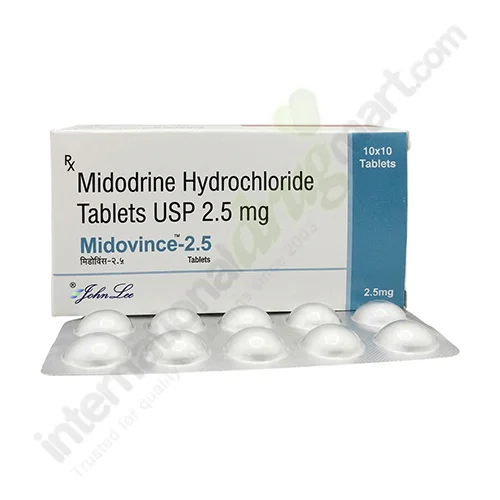
What Is Midodrine Used For?
Midodrine is a medicine that helps raise low blood pressure. It’s mostly used in people who feel dizzy or faint when standing up. This condition is called orthostatic hypotension.
Key uses of Midodrine:
-
Helps prevent lightheadedness when standing
-
Keeps blood pressure from dropping too low
-
Supports people who feel weak or tired due to low blood pressure
Doctors may also use Midodrine in other cases, such as helping people with nerve problems that affect blood pressure. It is not used to treat high blood pressure.
If you often feel dizzy when standing up, Midodrine might help keep your blood pressure steady and your energy up. But only take it if your doctor tells you to.
How to Take Midodrine?
Always take Midodrine just as your doctor says. It comes in tablet form and is usually taken by mouth.
General tips:
-
Take the pill with a glass of water.
-
Most people take it 2 to 3 times a day.
-
Avoid taking it right before bed. It can raise blood pressure while lying down.
-
Space the doses out evenly during the day.
Things to remember:
-
Take it during the day only, not late at night.
-
Do not skip or double a dose.
-
Your doctor may check your blood pressure often.
Taking Midodrine the right way helps it work better and keeps you safe.
Midodrine Side Effects
Like all medicines, Midodrine can cause side effects. Some are common and mild. Others may need a doctor’s help.
Common side effects:
-
Goosebumps or chills
-
Tingling or itching of the skin
-
Headache
-
Feeling anxious
-
Trouble urinating
Serious but rare:
-
Chest pain
-
Slow heartbeat
-
Blurred vision
If you feel any of these, tell your doctor right away. Side effects may go away as your body adjusts to the medicine, but some need medical care.
Never stop taking Midodrine without asking your doctor first.
Drug Interactions
Midodrine can mix badly with other drugs. Always tell your doctor about everything you take.
Things that may interact:
-
Blood pressure medicines
-
Heart medications
-
Cold or allergy drugs (especially decongestants)
-
MAO inhibitors (used for depression)
-
Diabetes medicines
What you should do:
-
Make a list of all your meds and supplements.
-
Share it with your doctor and pharmacist.
-
Do not start or stop any medicine without checking first.
Mixing Midodrine with the wrong drugs can be dangerous, so stay safe by being open with your care team.
Warnings
Before taking Midodrine, make sure it's right for you. This medicine isn’t safe for everyone.
Talk to your doctor if you:
-
Have heart disease
-
Have high blood pressure while lying down
-
Have kidney problems
-
Are pregnant or breastfeeding
Important things to avoid:
-
Lying flat after taking it — prop up your head
-
Taking it late in the day
-
Skipping checkups or blood pressure tests
Midodrine can be helpful, but only when used correctly. Follow all advice and don’t change your dose on your own.
Storage
Store Midodrine the right way to keep it safe and effective.
Tips for storing Midodrine:
-
Keep at room temperature (between 68°F and 77°F or 20°C and 25°C)
-
Store in a dry place away from sunlight
-
Do not keep it in a bathroom
-
Keep the bottle tightly closed
-
Always keep out of reach of children and pets
Don’t use the medicine after the expiry date. If you’re unsure how to throw away old pills, ask your pharmacist for help.
How Does Midodrine Work? (Mechanism of Action)
Midodrine helps your body raise low blood pressure. It does this by tightening your blood vessels. When blood vessels get tighter, your blood can move with more force. This helps bring your blood pressure up, especially when you stand up.
Here’s how it works step by step:
-
After you take Midodrine, your body changes it into a form called desglymidodrine.
-
This active form sticks to special parts in your blood vessels called alpha receptors.
-
These receptors tell your blood vessels to squeeze tighter.
-
When your blood vessels squeeze, your blood pressure goes up.
This action helps prevent that dizzy or faint feeling some people get when they stand. Midodrine does not affect your heart directly. It mostly works on your blood vessels.
In simple terms:
-
Midodrine = vessel tightener
-
Tighter vessels = better blood flow when standing
-
Better flow = less dizziness
Because of this, Midodrine is a helpful tool for people in the U.S. who have ongoing issues with standing-related low blood pressure. Always use it under a doctor’s care.
FAQ
What happens if I miss a dose of Midodrine?
If you miss a dose of Midodrine, take it as soon as you remember—only during the day. If it's close to your next dose or bedtime, skip it. Never double up. Taking it too late can raise blood pressure while you're lying down, which may be unsafe.
How long can you stay on Midodrine?
You can take Midodrine as long as your doctor says it’s needed. Some people use it short-term, while others stay on it for months or even years. Your doctor will check your blood pressure often to decide if it’s still helping. Don’t stop suddenly without medical advice.
Does Midodrine cause anxiety?
Yes, anxiety is a possible side effect of Midodrine, but it doesn’t happen to everyone. Some people feel nervous, jittery, or tense while taking it. If this happens, call your doctor. They might adjust your dose or switch your medicine to keep you feeling calm and safe.
Can you crush Midodrine?
Do not crush Midodrine tablets unless your doctor or pharmacist says it’s okay. Crushing may affect how the medicine works or how fast it enters your body. If you have trouble swallowing pills, talk to your doctor about safer ways to take your medicine.
What is the Midodrine cost in the online pharmacy?
The price of Midodrine at U.S. online pharmacies can vary based on the brand, tablet strength, and quantity. It may cost less with discount cards or coupons. Some sites offer Midodrine without insurance at budget prices. Always make sure you use a legit, licensed U.S. pharmacy for safety.