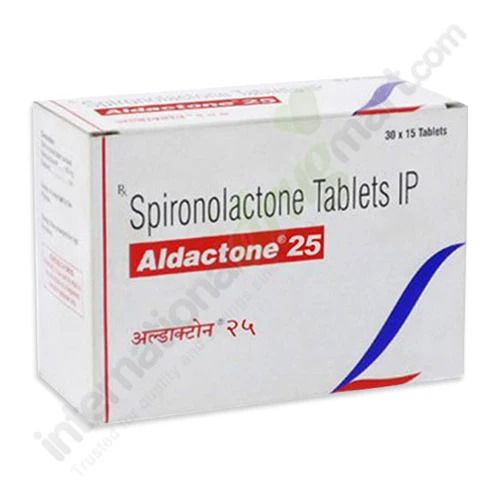
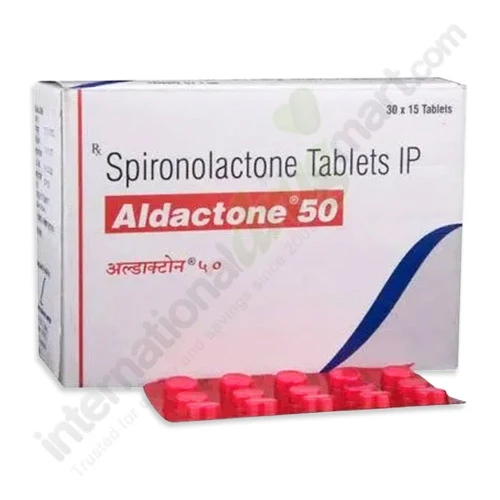
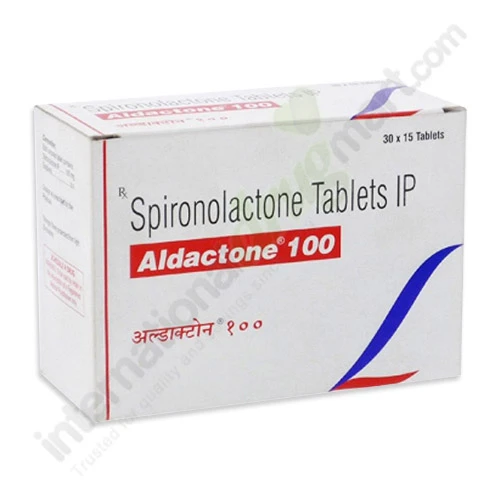
Spironolactone 25 mg is a prescription medicine used to help the body remove excess fluid while keeping potassium levels from dropping too low. It belongs to a group of medicines called
potassium-sparing diuretics, sometimes known as “water tablets.”
Doctors may prescribe spironolactone for fluid retention, heart failure, high blood pressure, or conditions linked to high aldosterone levels. It may also be prescribed
off-label for hormonal acne, female pattern hair loss, or excess facial or body hair in women when a clinician decides it is suitable.
Important: Take Spironolactone 25 mg only as prescribed. Do not start, stop, or change your dose without advice from your doctor or pharmacist.
What Is Spironolactone 25 mg Used For?
Spironolactone may be prescribed to help manage:
Fluid Retention and Swelling
Spironolactone helps the body remove extra salt and water. This can reduce swelling caused by fluid build-up.
Heart Failure
It may be used as part of a wider treatment plan to help manage fluid balance and reduce strain on the heart.
High Blood Pressure
Spironolactone may help lower blood pressure, especially when used with other medicines or when other treatments have not worked well enough.
Hyperaldosteronism
Spironolactone blocks the effects of aldosterone, a hormone that can cause the body to hold onto salt and water.
Hormonal Acne in Women
Spironolactone is sometimes used off-label for acne linked to hormones or androgen sensitivity. It usually takes time to work and should be used under medical supervision.
Female Pattern Hair Loss and Hirsutism
In some cases, spironolactone may be prescribed off-label for hair loss or excess facial or body hair in women when hormones are thought to play a role.
How Spironolactone Works
Spironolactone helps block aldosterone. Aldosterone tells the body to keep salt and water. By blocking this effect, spironolactone helps the body pass extra water and sodium through urine.
Unlike some other diuretics, spironolactone helps the body retain potassium. This is useful in some cases, but it also means potassium levels can become too high. Your doctor may check your blood potassium and kidney function during treatment.
How to Take Spironolactone 25 mg
Always follow the instructions on your prescription label.
General guidance:
- Swallow the tablet with water.
- Take it at the same time each day.
- It may be taken with or just after food.
- Do not take more than your prescribed dose.
- Do not stop taking it unless your doctor tells you to.
- Keep all blood test and follow-up appointments.
Because spironolactone can make you pass urine more often, many people take it earlier in the day. Follow your doctor’s advice if your dosing schedule is different.
Possible Side Effects of Spironolactone 25 mg
Like all medicines, spironolactone can cause side effects, although not everyone gets them.
Common or Possible Side Effects
These may include:
- Dizziness or lightheadedness
- Feeling sick or vomiting
- Diarrhea
- Stomach pain or cramps
- Tiredness or low energy
- Headache
- Drowsiness
- Muscle or leg cramps
- Breast tenderness or breast enlargement
- Irregular menstrual periods
- Passing urine more often
- Reduced sex drive or changes in sexual function
Speak to your doctor or pharmacist if side effects bother you, get worse, or do not go away.
Serious Side Effects: When to Get Medical Help
Seek urgent medical advice if you notice:
- Irregular, slow, or fast heartbeat
- Severe muscle weakness
- Heavy or weak feeling in the legs
- Confusion
- Fainting
- Severe dizziness
- Signs of dehydration
- Yellowing of the skin or eyes
- Unusual bruising or bleeding
- Rash, hives, swelling, or trouble breathing
- Very low urine output
- Blood in vomit or stools
Spironolactone can raise potassium levels in the blood. High potassium can be serious, especially in people with kidney problems, older adults, or those taking other medicines that increase potassium.
Precautions Before Taking Spironolactone
Before using Spironolactone 25 mg, tell your doctor or pharmacist if you:
- Have kidney disease or reduced kidney function
- Have liver disease
- Have high potassium levels
- Have Addison’s disease
- Have low blood pressure or frequent dizziness
- Are pregnant, planning pregnancy, or breastfeeding
- Are due to have surgery, including dental surgery
- Are allergic to spironolactone or any tablet ingredient
- Take potassium supplements or potassium-containing salt substitutes
- Take medicines for blood pressure, heart disease, pain, infection, or mental health conditions
People who can become pregnant should discuss pregnancy plans and contraception with their doctor, especially when spironolactone is used for acne, hair loss, or excess hair growth.
Who Should Not Take Spironolactone 25 mg?
Spironolactone may not be suitable for everyone. It is usually not recommended for people with:
- High potassium levels
- Addison’s disease
- Severe kidney problems
- Current use of eplerenone
- Allergy to spironolactone
- Pregnancy or plans to become pregnant, unless a doctor has clearly advised it
Your doctor will decide whether this medicine is suitable based on your condition, blood tests, and current medicines.
Drug Interactions
Spironolactone can interact with other medicines, supplements, and salt substitutes. Tell your doctor or pharmacist about everything you take, including prescription medicines, over-the-counter products, vitamins, herbal products, and supplements.
Important interactions may include:
- Potassium supplements or salt substitutes: These may increase the risk of high potassium.
- ACE inhibitors or ARBs: These blood pressure and heart medicines can also raise potassium.
- NSAIDs: Medicines such as ibuprofen, naproxen, aspirin, or diclofenac may affect kidney function or reduce the effect of diuretics.
- Eplerenone: This is usually not taken with spironolactone.
- Lithium: Spironolactone may increase the risk of lithium toxicity.
- Digoxin: Spironolactone may affect digoxin levels or test results.
- Heparin or low molecular weight heparin: These may increase potassium risk.
- Trimethoprim: This antibiotic may increase potassium risk.
- Cholestyramine: This may increase the risk of certain potassium-related metabolic problems.
Do not start any new medicine while taking spironolactone unless your doctor or pharmacist says it is safe.
Potassium and Diet Advice
Do not take potassium supplements or potassium-containing salt substitutes unless your doctor tells you to.
Your doctor may also give you advice about potassium-rich foods depending on your blood test results, kidney function, and other medicines. Do not make major diet changes without checking with a healthcare professional.
Missed Dose
If you miss a dose, take it when you remember.
If it is almost time for your next dose, skip the missed dose and take your next dose at the usual time.
Do not take two doses at the same time to make up for a missed dose.
Overdose
Taking too much spironolactone can be dangerous.
Symptoms of overdose may include:
- Drowsiness
- Confusion
- Nausea or vomiting
- Dizziness
- Diarrhea
- Rash
- Tingling in the arms or legs
- Weakness or heaviness in the legs
- Irregular or slow heartbeat
If you take more than your prescribed dose, contact emergency medical services, poison control, or your local urgent care service. Take the medicine pack or leaflet with you if you need medical care.
Storage
Store Spironolactone 25 mg tablets:
- At room temperature
- In the original container
- Tightly closed
- Away from excess heat and moisture
- Away from bathrooms and damp areas
- Out of sight and reach of children and pets
Do not use expired medicine. Ask a pharmacist how to dispose of unused or expired tablets safely.
FAQs
What are the common side effects of Spironolactone 25 mg?
Common or possible side effects include dizziness, nausea, vomiting, diarrhea, stomach cramps, tiredness, headache, drowsiness, muscle cramps, breast tenderness, breast enlargement, irregular periods, and passing urine more often.
What are the serious side effects of spironolactone?
Serious side effects may include high potassium, kidney problems, fainting, abnormal heartbeat, severe weakness, severe dizziness, allergic reaction, yellowing of the skin or eyes, unusual bleeding, or very low urine output. Seek medical help if these occur.
What is Spironolactone 25 mg used for?
Spironolactone 25 mg may be prescribed for fluid retention, heart failure, high blood pressure, and hyperaldosteronism. It may also be prescribed off-label for hormonal acne, female pattern hair loss, or excess facial or body hair in women.
Is 25 mg of spironolactone a low dose?
Yes. Spironolactone 25 mg is generally considered a low dose. Doctors may start with a lower dose and adjust treatment based on the condition being treated, blood pressure, potassium levels, kidney function, and side effects.
Can Spironolactone 25 mg be used for acne?
Yes, spironolactone may be prescribed off-label for hormonal acne in women. It does not work overnight and may take several months to show full benefit. It is not suitable for everyone, so it should only be used under medical supervision.
Is 25 mg of spironolactone enough for acne?
For some people, 25 mg may be used as a starting dose. However, the right dose depends on your symptoms, response, side effects, and medical history. Do not increase your dose unless your doctor tells you to.
Will Spironolactone 25 mg lower blood pressure?
It may lower blood pressure in some people. This can be helpful when it is prescribed for high blood pressure or heart-related conditions, but it can also cause dizziness or lightheadedness. Follow your doctor’s instructions carefully.
Is 25 mg of spironolactone enough for hair loss?
For female pattern hair loss, 25 mg may be considered a low dose. Hair loss has many possible causes, so treatment should be guided by a dermatologist or qualified clinician.
What is the best time to take Spironolactone 25 mg?
Many people take spironolactone in the morning or earlier in the day because it can increase urination. The best time is the time recommended by your doctor. Try to take it at the same time each day.
Can I take potassium supplements with Spironolactone 25 mg?
Do not take potassium supplements or potassium-containing salt substitutes unless your doctor specifically tells you to. Spironolactone can raise potassium levels, and too much potassium can be dangerous.
How long does spironolactone take to work?
The time it takes to work depends on why you are taking it. For fluid retention or blood pressure, your doctor will monitor your response over time. For acne or hair-related concerns, it may take several months to see the full effect.
Can I stop taking Spironolactone 25 mg when I feel better?
Do not stop taking spironolactone without speaking to your doctor. Conditions such as high blood pressure, heart failure, and fluid retention can worsen if treatment is stopped without a plan.
Medical Disclaimer
This content is for general education and product-page support only. It does not replace advice from a doctor, pharmacist, or other qualified healthcare professional. Always follow the prescription label and the patient leaflet supplied with your medicine. Seek medical advice before using this medicine if you are pregnant, breastfeeding, have kidney disease, have high potassium, or take other regular medicines.