What to Avoid When Taking Erythromycin 500mg?
When taking Erythromycin 500mg, avoid taking certain medications that can interact with it, such as antacids or drugs that affect the liver. These interactions can reduce the effectiveness of the antibiotic or increase the risk of side effects. Also, avoid drinking alcohol, as it can worsen side effects like stomach upset or dizziness. It’s important to follow your doctor's instructions carefully and inform them of any other medications you are taking. This will help ensure Erythromycin works properly and prevent unwanted side effects.
Does Erythromycin 500mg a Penicillin?
No, Erythromycin 500mg is not a penicillin. It is a different type of antibiotic called a macrolide. While both Erythromycin and penicillin are used to treat bacterial infections, they work in different ways. Erythromycin works by stopping bacteria from making proteins they need to grow, while penicillin disrupts the bacterial cell wall. If you're allergic to penicillin, your doctor may prescribe Erythromycin as an alternative antibiotic.
Is Erythromycin 500mg Good for Sinus Infection?
Yes, Erythromycin 500mg can be used to treat sinus infections caused by certain bacteria. It helps fight the infection by stopping bacteria from growing. However, it is not the first choice for treating sinus infections. Doctors may recommend it if other antibiotics, like amoxicillin, are not suitable due to allergies or resistance. Always follow your doctor's advice on which antibiotic is best for your condition.
How Much Does Erythromycin 500mg Cost Without Insurance?
The cost of Erythromycin 500mg without insurance can vary based on the pharmacy and location. On average, the price ranges from $10 to $30 for a 30-day supply of generic Erythromycin. Brand-name versions may be more expensive. It's a good idea to compare prices at different pharmacies or check for discounts to find the best deal. If the cost is a concern, ask your doctor if there are more affordable options available.


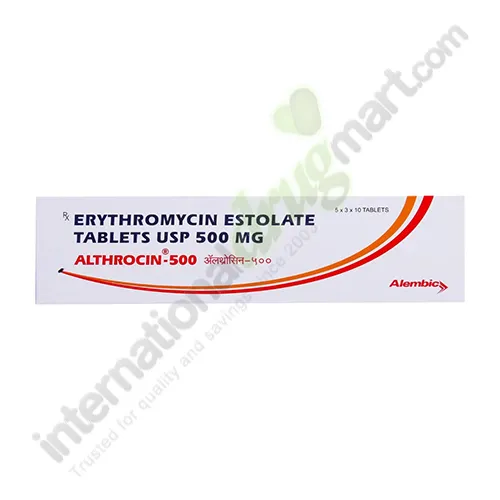
 Grab this deal Now! Add to cart and use a coupon to unlock even Bigger Savings!