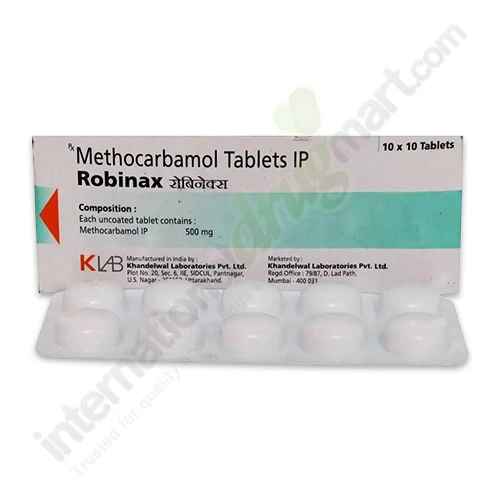

Is methocarbamol a strong painkiller?
Methocarbamol is not a strong painkiller; it’s a muscle relaxant. It reduces muscle spasms that may cause pain, but it doesn’t directly relieve pain like opioids or NSAIDs. It’s often prescribed for conditions involving muscle injuries or spasms. For significant pain relief, it’s usually combined with other treatments like physical therapy or pain medications.
What cannot be taken with methocarbamol?
Avoid alcohol and sedatives while taking methocarbamol, as they can increase drowsiness and dizziness. It may also interact with certain medications like opioids, antidepressants, or antihistamines, intensifying side effects. Always inform your doctor about all medications or supplements you’re using to prevent harmful interactions. Avoid activities requiring focus, such as driving, while on methocarbamol.Can I take 2 methocarbamol 500 mg?
The usual dosage of methocarbamol depends on your doctor’s recommendation and condition. While some may be prescribed 1,000 mg (two 500 mg tablets), self-adjusting your dose is unsafe. Overdosing can lead to severe side effects like drowsiness, dizziness, or breathing issues. Always follow the prescribed dosage and consult your doctor before any changes.Will methocarbamol help lower back pain?
Methocarbamol can help alleviate lower back pain caused by muscle spasms by relaxing the muscles. However, it’s not a painkiller and works best when combined with rest, physical therapy, or other treatments. It doesn’t directly address underlying conditions like herniated discs. Always consult your doctor for a tailored treatment plan for your back pain.How much does Methocarbamol 500 mg cost Without Insurance?
The Price for Methocarbamol 500 mg oral tablets without insurance ranges from $0.62 – $0.76, in our online pharmacy with more discount.