What is Acetaminophen/Paracetamol used for?
Acetaminophen (known as Paracetamol in Australia) is used to relieve pain and reduce fever. It helps treat mild to moderate pain caused by backache, headache, toothache, menstrual cramps, muscle aches, arthritis, the common cold, and flu. Paracetamol belongs to a class of medicines called analgesics (pain relievers) and antipyretics (fever reducers). It works by blocking the production of chemicals in the body called prostaglandins, which cause pain and fever.
Paracetamol may also be used for other conditions as advised by your doctor.
What are the side effects of Acetaminophen/Paracetamol?
Like many medicines, Paracetamol can sometimes cause side effects. Most are mild and temporary, but some may be serious and need medical attention. Side effects can vary between individuals.
Possible side effects include:
-
Nausea or vomiting
-
Loss of appetite
-
Dark urine
-
Pale stools
-
Yellowing of the skin or eyes (a sign of liver problems)
If you experience any unusual symptoms, contact your doctor straight away. Always take Paracetamol exactly as directed to avoid harm.
What is the recommended dosage of Acetaminophen/Paracetamol?
The dose of Paracetamol varies depending on age, body weight, and health condition. Always follow your doctor’s instructions or the label directions.
-
Adults: 500 mg to 1,000 mg every 4–6 hours as needed
-
Do not exceed: 4,000 mg in 24 hours
-
Children: Dose is based on age and weight; use child-specific liquid forms
-
May be taken with or without food
Never exceed the recommended amount, as high doses can cause serious liver damage.
What if you miss a dose of Acetaminophen/Paracetamol?
Paracetamol is often taken as needed. However, if your doctor has prescribed it regularly and you miss a dose:
-
Take it as soon as you remember
-
If it’s nearly time for your next dose, skip the missed one
-
Don’t double up to make up for a missed dose
Taking extra doses can increase the risk of liver injury.
What if you overdose on Acetaminophen/Paracetamol?
Taking too much Paracetamol can be dangerous. If you suspect an overdose, seek medical help immediately or contact the Poisons Information Centre (13 11 26 in Australia).
Symptoms of overdose may include:
-
Nausea or vomiting
-
Abdominal pain
-
Loss of appetite
-
Yellowing of skin or eyes
-
Dark urine or fatigue
Early treatment is vital to prevent serious liver damage.
What other drugs could interact with Acetaminophen/Paracetamol?
Some medicines may interact with Paracetamol, including:
-
Carbamazepine
-
Cholestyramine
-
Isoniazid
-
Phenobarbital
-
Warfarin
Other drugs and supplements may also interact. Paracetamol can interact with blood thinners, increasing the risk of bleeding.
Always inform your doctor about any prescription, over-the-counter, or herbal medicines you are taking. Let them know if you drink alcohol, smoke, or consume caffeine, as these can affect how the medicine works.
Do not start or stop any medication without checking with your doctor or pharmacist.
Where can I buy Acetaminophen over the counter?
In Australia, Paracetamol is available over the counter at pharmacies, supermarkets, and health stores. You don’t need a prescription for standard-strength tablets or liquids. Always buy from trusted Australian pharmacies and follow the dosage instructions on the packaging.
Can I buy Acetaminophen Tylenol online without a prescription?
Yes, you can buy Paracetamol (Tylenol) online in Australia without a prescription, as it’s an over-the-counter medicine. Make sure you order from a registered Australian pharmacy website and always follow the recommended dosage to avoid side effects or overdose.
How much Paracetamol in Calpol?
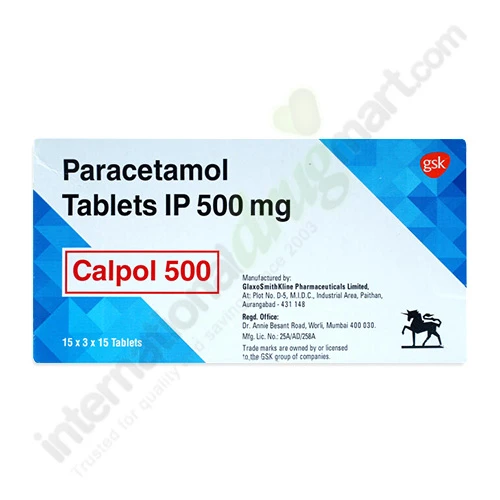
In Australia, Calpol contains Paracetamol as its active ingredient. The infant suspension typically has 120 mg of Paracetamol per 5 ml, while the children’s version may have 250 mg per 5 ml. Always check the packaging for the correct strength and use the dosing syringe provided. Consult your GP or pharmacist before giving it to children.
What are the questions to ask your doctor before taking Acetaminophen/Paracetamol?
-
Can I take Paracetamol with other medicines I’m using?
-
Are there foods or drinks I should avoid while taking it?
-
What are the possible side effects or interactions?
-
How does Paracetamol work in my body?
-
How often and at what dose should I take it?
-
How can I lower my risk of side effects or overdose?
Note
Before taking Paracetamol, inform your doctor if you have a history of liver disease or heavy alcohol use.
Avoid drinking alcohol while taking Paracetamol, as it increases the risk of liver damage.
If you are pregnant, planning to become pregnant, or breastfeeding, speak with your doctor before use.
The medical information provided here is for general guidance only and does not replace professional medical advice. Always follow the instructions given by your doctor, pharmacist, or healthcare provider to ensure safe and effective use.