
What is Aspirin?
Aspirin is a salicylate medicine used for pain relief, fever, inflammation, and blood clot prevention when clinically appropriate. Aspirin is the common name for acetylsalicylic acid. It belongs to a group of medicines called non-steroidal anti-inflammatory drugs, often shortened to NSAIDs. At higher doses, aspirin can help relieve pain, reduce fever, and reduce inflammation. At lower daily doses, it works mainly as an antiplatelet medicine, which means it helps make blood less likely to clot. Aspirin may be used for:- Mild to moderate pain, such as headache, toothache, period pain, muscle pain, or sore throat
- Fever in adults
- Inflammatory pain, where aspirin is suitable
- Reducing the risk of further heart attack or stroke in selected patients
- Angina or peripheral arterial disease, when advised by a clinician
- Certain pregnancy-related clotting or pre-eclampsia risks, only when recommended by a doctor or midwife
- Aspirin 75mg tablets
- Aspirin 75mg dispersible tablets
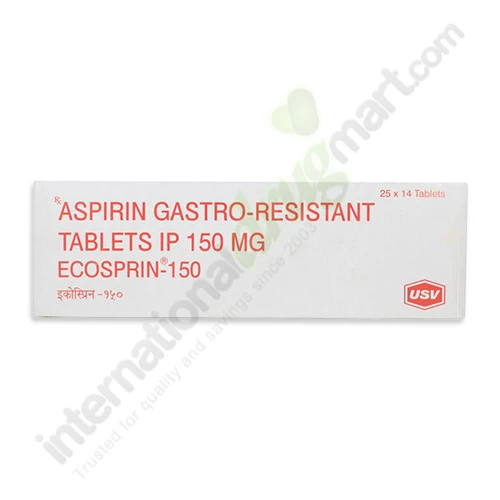
- Aspirin 75mg gastro-resistant tablets
- Aspirin 300mg tablets
- Aspirin 300mg dispersible tablets
- Aspirin 150mg and 300mg suppositories
- Some combination products containing aspirin with other ingredients, such as caffeine
What is the Recommended Dosage of Aspirin?
The recommended aspirin dose depends on the reason for use, age, bleeding risk, and overall medical history. Aspirin dosing is not the same for pain relief and heart protection. Pain-relief doses are usually higher and used for a shorter time. Low-dose aspirin for heart or stroke prevention is usually taken daily, but only when a healthcare professional recommends it. Dosage may vary based on:- The condition being treated or prevented
- Age and body weight
- History of stomach ulcers or bleeding
- Kidney, liver, or heart function
- Other medicines, especially blood thinners
- Pregnancy or breastfeeding status
- Whether aspirin is being used short term or long term
How Aspirin Works
Aspirin works by blocking body chemicals involved in pain, inflammation, fever, and platelet-related blood clotting. Aspirin blocks enzymes called cyclo-oxygenase enzymes, often shortened to COX enzymes. These enzymes help the body make prostaglandins, which are involved in pain, swelling, and fever. At low doses, aspirin also reduces the action of platelets. Platelets are blood cells that help form clots. This antiplatelet effect is why aspirin may be used to reduce the risk of further heart attack or stroke in selected patients. Aspirin may help manage symptoms or reduce clotting risk, but it does not cure the underlying cause of heart disease, stroke risk, arthritis, or recurring pain.Is a Prescription Required to Buy Aspirin Online?
A prescription is not always required for aspirin, but long-term or low-dose use should be guided by a healthcare professional. In the UK, some aspirin products can be bought without a prescription from pharmacies or approved retailers. However, aspirin is not suitable for everyone, and daily low-dose aspirin should only be used when recommended by a doctor, midwife, pharmacist, cardiologist, neurologist, or other relevant clinician. Before buying aspirin online, check that the pharmacy or retailer is legitimate and UK-regulated. Avoid websites that make unsafe claims, sell unclear products, or offer medicines without proper safety information. Do not buy aspirin products intended for animals or products with unknown ingredients. Aspirin can increase bleeding risk, so safe use matters even when the medicine is available without prescription.Side Effects of Aspirin
Aspirin can cause side effects, especially stomach irritation and bleeding, even when taken at standard recommended doses.Common Side Effects
Common or expected side effects may include:- Indigestion
- Heartburn
- Stomach discomfort
- Nausea
- Bleeding or bruising more easily
- Nosebleeds
- Mild skin rash in some people
Serious Side Effects
Serious side effects are less common but need urgent medical attention. These may include:- Vomiting blood or material that looks like coffee grounds
- Black, tarry, or bloody stools
- Severe stomach pain
- Sudden weakness, facial drooping, speech problems, or confusion
- Severe headache with vision changes
- Wheezing or breathing difficulty
- Swelling of the face, lips, tongue, or throat
- Severe allergic reaction
- Unusual heavy bleeding
- Signs of liver or kidney problems, such as yellow skin, dark urine, or passing much less urine
Drug Interactions
Aspirin can interact with blood thinners, anti-inflammatory medicines, some antidepressants, and medicines that affect the kidneys. Tell your doctor or pharmacist about all medicines you take, including prescription medicines, over-the-counter products, vitamins, supplements, and herbal remedies. Important interaction groups include:- Anticoagulants such as warfarin, apixaban, rivaroxaban, edoxaban, or dabigatran
- Antiplatelet medicines such as clopidogrel, ticagrelor, prasugrel, or dipyridamole
- Other NSAIDs such as ibuprofen, naproxen, diclofenac, or high-dose aspirin products
- Steroids such as prednisolone
- SSRI antidepressants such as sertraline, fluoxetine, citalopram, or escitalopram
- Methotrexate
- Medicines for high blood pressure, including ACE inhibitors and diuretics
- Medicines that may affect kidney function
- Alcohol, especially regular or heavy use
- Herbal products that may increase bleeding risk, such as ginkgo biloba, garlic supplements, or high-dose omega-3 supplements
Safety & Important Considerations
Aspirin needs extra caution in people with bleeding risk, asthma, stomach ulcers, kidney disease, or planned surgery. Before taking aspirin, ask a healthcare professional if you:- Have had a stomach ulcer or stomach bleeding
- Have a bleeding disorder
- Take blood-thinning medicine
- Have asthma that worsens with aspirin or NSAIDs
- Have severe kidney disease
- Have severe liver disease
- Have uncontrolled high blood pressure
- Have heart failure
- Are pregnant, trying to conceive, or breastfeeding
- Are due to have surgery, dental treatment, or an invasive procedure
- Are over 65 and at higher bleeding risk
Who This Medication Is For
Aspirin may be suitable for adults who need short-term pain relief or clinician-guided antiplatelet treatment. Aspirin may be used by adults who need relief from mild to moderate pain, fever, or inflammation, provided they do not have risk factors that make aspirin unsafe. Low-dose aspirin may be used for people who have had, or are at high risk of, certain cardiovascular events, such as heart attack, stroke, angina, or peripheral arterial disease. This use should be based on medical advice, not self-diagnosis. Aspirin may also be recommended in selected pregnancies to reduce specific risks, but only under the guidance of a doctor or midwife.Who Should Not Take Aspirin
Aspirin should not be taken by people with aspirin allergy, active stomach bleeding, or certain serious bleeding risks. You should not take aspirin unless a clinician says it is safe if you:- Are allergic to aspirin or other NSAIDs
- Have had wheezing, asthma, swelling, or rash after aspirin or NSAIDs
- Have an active stomach ulcer
- Have active bleeding
- Have haemophilia or another significant bleeding disorder
- Have severe kidney, liver, or heart failure
- Are taking blood thinners without medical advice
- Are under 16 years old, unless prescribed by a specialist
- Are in late pregnancy unless specifically advised by a doctor
What to Do If You Miss a Dose
If you miss a dose of aspirin, take advice based on why you use it and your dosing schedule. For daily low-dose aspirin, take the missed dose when you remember unless it is nearly time for your next dose. If it is nearly time for the next dose, skip the missed dose and continue as normal. Do not take two doses together to make up for a missed dose. If you take aspirin after a heart attack, stroke, stent, or other cardiovascular event, contact your doctor or pharmacist if you miss doses or are unsure what to do.Alternatives to Aspirin
Alternatives to aspirin depend on whether treatment is for pain, inflammation, fever, or blood clot prevention. Possible alternatives for pain or fever may include:- Paracetamol
- Ibuprofen, if suitable
- Naproxen, if prescribed or advised
- Topical anti-inflammatory gels for local muscle or joint pain
- Clopidogrel
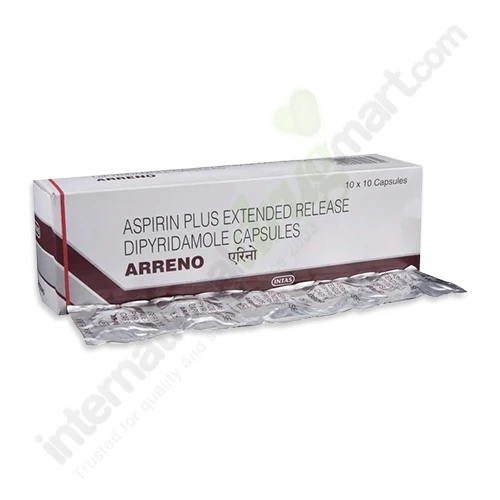
- Dipyridamole with aspirin
- Ticagrelor
- Prasugrel