Now, Receive SMS Alerts on Your Order Status
International Drug Mart
Amlodipine

Amlodipine

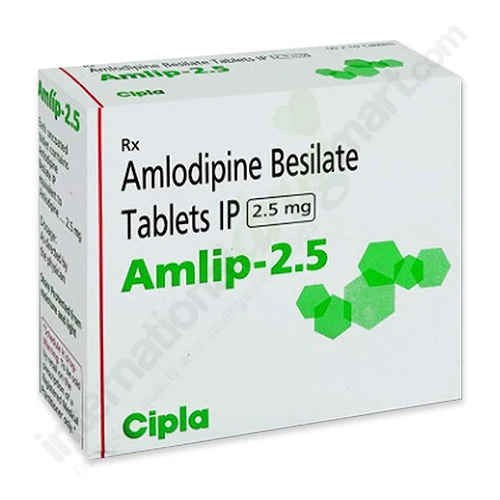
Amlodipine is a prescription calcium channel blocker used to treat high blood pressure and help prevent angina chest pain. It relaxes blood vessels, supports better blood flow, and should be taken once daily as prescribed by a doctor.
Medically Reviewed by – Dr. Leo Barrett, MD
Last Updated on 8 July 2026

Quick Overview

Amlodipine is used to treat high blood pressure and prevent angina by relaxing blood vessels and helping the heart pump blood more easily.
Key Point Details
Medicine name Amlodipine
Drug class Calcium channel blocker
Common uses High blood pressure, angina prevention
Prescription status Prescription-only medicine in the UK
Common strengths 2.5mg, 5mg, 10mg tablets
Usual dose Once daily, as prescribed
Suitable for Adults and some children, depending on medical review

What is Amlodipine and used for?

Amlodipine is a calcium channel blocker used to treat high blood pressure and reduce the risk of angina chest pain. It works by relaxing and widening blood vessels. This makes it easier for blood to move around the body and can reduce strain on the heart. Doctors commonly prescribe amlodipine for hypertension and for preventing stable angina symptoms. It does not treat a sudden angina attack.

How to take Amlodipine?

Amlodipine is usually taken once daily, at the same time each day, with or without food. Swallow the tablet with water. Do not change your dose unless your doctor tells you to. If you forget a dose, take it when you remember unless it is nearly time for your next dose. Do not take two doses together. Avoid grapefruit or grapefruit juice unless your prescriber says it is safe for you.

Benefits of Amlodipine

Amlodipine may help control blood pressure and reduce angina episodes when taken regularly as prescribed. For high blood pressure, keeping readings controlled may lower the risk of stroke, heart attack, kidney problems and other complications over time. For angina, amlodipine helps improve blood flow to the heart muscle, which may reduce chest pain episodes during daily activity.

Who Can Use Amlodipine?

Amlodipine may be suitable for adults and some children when a doctor confirms it is appropriate for their condition. It may be prescribed for people with high blood pressure or angina. It may not be suitable for people with severe low blood pressure, significant narrowing of the aortic heart valve, heart failure after a heart attack, serious liver disease, or previous allergy to amlodipine or similar medicines.

Dosage Information

Amlodipine dosage depends on your age, blood pressure, symptoms, liver function and response to treatment. For adults, the usual starting dose is often 5mg once daily, which may be increased to 10mg once daily if needed. Some patients may need a lower starting dose, especially older adults or people with liver problems. Children need specialist dosing based on age and clinical need.

How Long Does Amlodipine Take to Work?

Amlodipine starts working after the first dose, but full blood pressure benefits may take several weeks. Some people notice improved blood pressure readings within a few days, while stable control may take longer. For angina prevention, regular daily use is important. Do not stop taking amlodipine because you feel well, as high blood pressure often has no symptoms.

Side Effects of Amlodipine

Amlodipine can cause side effects, although many people tolerate it well when the dose is properly monitored. Common side effects include ankle swelling, flushing, headache, dizziness, tiredness, nausea, stomach pain and palpitations. Some people may notice swollen gums. Seek urgent help for breathing difficulty, facial swelling, fainting, severe dizziness, chest pain worsening, or signs of an allergic reaction.

Warnings and Precautions

Amlodipine should be used carefully if you have heart, liver, blood pressure or circulation-related health problems. Tell your doctor if you have liver disease, heart failure, severe low blood pressure, aortic stenosis, recent heart attack, or worsening chest pain. Stand up slowly if you feel dizzy. Limit alcohol because it may increase dizziness or low blood pressure symptoms. Pregnant or breastfeeding patients should use it only with medical advice.

Drug Interactions

Amlodipine can interact with medicines that affect blood pressure, liver enzymes or heart-related treatment safety. Tell your doctor if you take simvastatin, clarithromycin, erythromycin, ketoconazole, itraconazole, ritonavir, diltiazem, verapamil, rifampicin, St John’s wort, ciclosporin, tacrolimus, or other blood pressure medicines. Grapefruit may increase amlodipine levels in some people and raise the risk of side effects.

Alternatives to Amlodipine

Alternatives to amlodipine depend on your diagnosis, age, ethnicity, other conditions and side effect history. Other blood pressure medicines may include ACE inhibitors such as ramipril, ARBs such as losartan, thiazide-like diuretics such as indapamide, beta blockers such as bisoprolol, or other calcium channel blockers. Do not switch medicines without medical advice, as the best option depends on your full health profile.

Lifestyle Advice for Hypertension

Lifestyle changes can support blood pressure control but should not replace prescribed amlodipine unless your doctor advises it. Reduce salt, limit alcohol, stop smoking, stay active, manage weight, improve sleep and follow a heart-healthy diet. Check blood pressure as advised and keep follow-up appointments. Seek urgent medical help for chest pain, severe breathlessness, weakness on one side, confusion or sudden vision changes.

FAQ's

What should be avoided when taking amlodipine?

Avoid grapefruit or grapefruit juice while taking amlodipine unless your doctor says it is safe. It may increase medicine levels and side effects in some people. Limit alcohol, as it can worsen dizziness or low blood pressure. Do not start new heart, blood pressure, antibiotic, antifungal or herbal medicines without checking first.

Can you stop amlodipine abruptly?

Do not stop amlodipine suddenly unless your doctor tells you to. Blood pressure may rise again, and angina symptoms may return or worsen in some patients. If side effects are troublesome, speak to your prescriber. They may adjust the dose, monitor your readings or change treatment safely.

Is it worth taking amlodipine?

Amlodipine can be worth taking when prescribed for high blood pressure or angina because it helps reduce cardiovascular risk over time. The benefit is usually long term, even if you feel no symptoms. Your doctor should review your blood pressure, side effects and overall treatment response regularly.

Does amlodipine cause weight gain?

Amlodipine does not usually cause true body fat gain, but it can cause fluid swelling, especially around the ankles or feet. This may make your weight look slightly higher. Report new, painful or worsening swelling, sudden weight increase, breathlessness or chest symptoms to a healthcare professional.

How does amlodipine make you feel?

Amlodipine may make some people feel dizzy, tired, flushed or light-headed, especially when starting treatment or increasing the dose. Many people feel no different because high blood pressure often has no symptoms. If dizziness, palpitations, swelling or headaches continue, ask your doctor or pharmacist for advice.

Can I buy amlodipine over the counter in UK?

No, amlodipine is not available over the counter in the UK. It is a prescription-only medicine because blood pressure, heart conditions, side effects and drug interactions need proper medical review. You should only use amlodipine after it has been prescribed by a qualified healthcare professional.

Where can I buy amlodipine online in UK?

You can buy amlodipine online from a UK registered online pharmacy after a valid prescription or approved clinical assessment. The pharmacy should check your health history, current medicines and suitability before supply. Avoid websites selling amlodipine without prescription checks, as this can be unsafe.

Disclaimer

This content is for general medicine information only and does not replace advice from your doctor, pharmacist or prescribing clinician. Always follow your prescription label and local clinical guidance. For full safety information, please read our medical disclaimer.

Related Products