International Drug Mart

Erythromycin vs Azithromycin
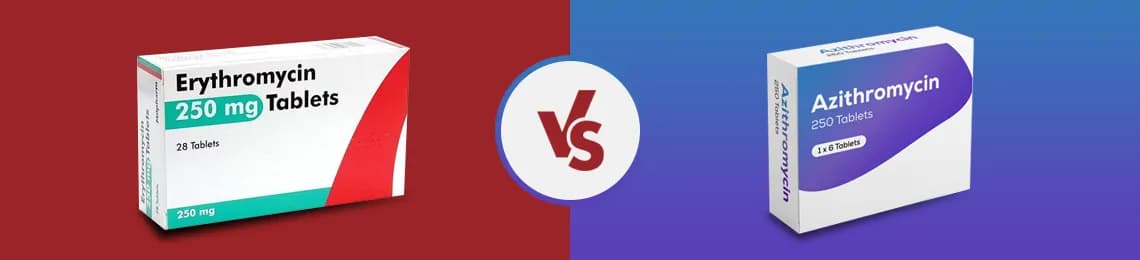
Erythromycin vs Azithromycin

Drug Class

Macrolide antibiotic

Mechanism of Action

Inhibits bacterial protein synthesis by binding to the 50S ribosomal subunit, blocking translocation.
Similar mechanism, binds to the 50S ribosomal subunit to inhibit bacterial protein synthesis.

Spectrum of Activity

Effective against gram-positive and some gram-negative bacteria.
Broad spectrum, including gram-positive, gram-negative, and atypical bacteria (e.g., Chlamydia, Mycoplasma).

Indications

Respiratory infections, skin infections, pertussis, diphtheria, and STIs.
Respiratory infections, skin infections, otitis media, STIs, and community-acquired pneumonia.

Dosing Schedule

Typically requires multiple daily doses (2–4 times a day).
Usually taken once daily due to a longer half-life.

Duration of Therapy

7–14 days, depending on the infection.
3–5 days (shorter duration due to extended tissue penetration).

Half-life

1.5–2 hours
68 hours (much longer than erythromycin).

Absorption

Reduced by food; best taken on an empty stomach.
Can be taken with or without food.

Excretion

Metabolized in the liver and excreted in bile and urine.
Excreted primarily in bile, with minimal renal excretion.

Adverse Effects

Gastrointestinal upset (nausea, vomiting, diarrhea), liver toxicity, QT prolongation, allergic reactions.
Similar side effects, but usually better tolerated; less gastrointestinal upset. QT prolongation possible.

Drug Interactions

Significant interactions due to inhibition of CYP3A4 enzymes (e.g., warfarin, statins).
Fewer interactions; weak inhibitor of CYP3A4.

Pregnancy Category

Category B (safe for use in pregnancy).

Pediatric Use

Approved for use in children for specific infections.
Commonly used in children; convenient dosing.

Advantages

Effective for specific infections; multiple formulations available.
Longer half-life allows shorter and simpler dosing regimens.

Disadvantages

Frequent dosing and higher rates of side effects, particularly gastrointestinal.
Higher cost compared to erythromycin in some cases.
Coupon
Coupon Code
IDMBLG30
Use This Coupon To Buy
Coupon Code
IDMBLG30
Use This Coupon To Buy

Frequently Asked Questions

Erythromycin vs Azithromycin for cough?

+

Azithromycin is often preferred over erythromycin for treating coughs caused by bacterial infections like bronchitis or pneumonia. It requires fewer doses, causes less stomach upset, and has better patient compliance. Erythromycin can be effective but is more likely to cause nausea. Always consult a doctor to determine which antibiotic is right based on your condition.

What is the main difference between erythromycin and azithromycin?

+

Erythromycin and azithromycin are both macrolide antibiotics, but azithromycin has a longer half-life, allowing for once-daily dosing and shorter treatment courses. Erythromycin typically requires multiple doses per day.

Which is better tolerated, erythromycin or azithromycin?

+

Azithromycin is generally better tolerated. Erythromycin is more likely to cause stomach upset, including nausea, vomiting, and abdominal pain.

Can erythromycin and azithromycin treat the same infections?

+

Yes, both can treat respiratory infections, skin infections, and some sexually transmitted infections. However, azithromycin is often preferred for its convenience and fewer gastrointestinal side effects.

Which antibiotic has fewer drug interactions?

+

Azithromycin has fewer drug interactions compared to erythromycin, which can interfere with many medications due to its effect on liver enzymes.

Related Posts