
International Drug Mart

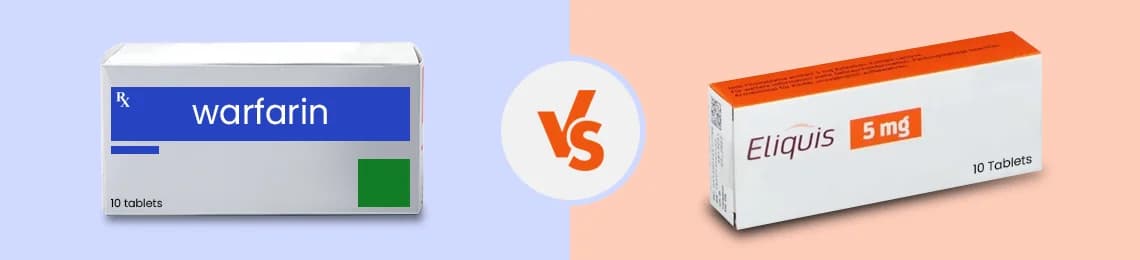
Warfarin vs Eliquis

Warfarin vs Eliquis
Eliquis

Drug Class

Vitamin K antagonist
Direct oral anticoagulant (DOAC), Factor Xa inhibitor

Mechanism of Action

Inhibits vitamin K-dependent clotting factors (II, VII, IX, X)
Selectively inhibits Factor Xa, reducing thrombin generation

Indications

- Atrial fibrillation (AFib) to reduce stroke risk - Deep vein thrombosis (DVT) - Pulmonary embolism (PE) - Mechanical heart valve replacement - Prevent recurrent clot formation
- Atrial fibrillation (non-valvular) to reduce stroke risk - DVT treatment and prevention - PE treatment and prevention - Postoperative DVT prevention (hip/knee replacement)

Dosage Forms

Tablets (1 mg, 2 mg, 2.5 mg, 3 mg, 4 mg, 5 mg, 6 mg, 7.5 mg, 10 mg)
Tablets (2.5 mg, 5 mg)

Dosing Frequency

Once daily (based on INR monitoring and adjustment)
Twice daily

Monitoring Requirements

Requires regular INR (International Normalized Ratio) monitoring
No routine monitoring required

Dietary Restrictions

Avoid foods high in vitamin K (e.g., spinach, kale)
No significant dietary restrictions

Drug Interactions

Numerous interactions with medications, supplements, and foods
Fewer interactions compared to Warfarin

Onset of Action

24-72 hours (delayed due to factor half-lives)
3-4 hours

Reversal Agents

- Vitamin K (phytonadione) - Fresh frozen plasma (FFP) - Prothrombin complex concentrate (PCC)
Andexanet alfa (specific reversal agent for Factor Xa inhibitors)

Half-Life

20-60 hours (varies based on genetic factors)
12 hours

Bleeding Risk

Increased bleeding risk, especially with suboptimal INR control
Lower major bleeding risk compared to Warfarin

Pregnancy Category

X (contraindicated in pregnancy due to teratogenicity)
B (use with caution; consult physician)

Renal Function Considerations

Safe in renal impairment (adjust dose cautiously)
Requires dose adjustment or avoidance in severe renal impairment

Hepatic Function Considerations

Avoid in significant hepatic disease due to impaired clotting factor production
Avoid in severe hepatic impairment

Cost

Generally less expensive (generic widely available)
Higher cost (brand-name only)

Advantages

- Long track record and established efficacy - Generic availability lowers cost - Preferred in mechanical heart valves
- No routine blood monitoring - Fewer drug/food interactions - Lower bleeding risk in specific populations

Disadvantages

- Requires frequent INR checks - Many interactions - Diet restrictions - Delayed onset of action
- Expensive - Not suitable for mechanical heart valves - Requires strict dosing schedule
Coupon
Coupon Code
IDMBLG30
Use This Coupon To Buy
Coupon Code
IDMBLG30
Use This Coupon To Buy

Frequently Asked Questions

What is the cost of warfarin vs eliquis??

+

Warfarin is much cheaper than Eliquis. A month\'s supply of Warfarin can cost just a few dollars, especially with generic versions. In contrast, Eliquis is more expensive, often costing several hundred dollars per month without insurance. However, with insurance or discount programs, Eliquis costs may be reduced. Always check with pharmacies for the best prices.

What is the difference between Warfarin and Eliquis?

+

Warfarin is a traditional blood thinner that requires frequent blood tests to monitor its effect. Eliquis (apixaban) is a newer anticoagulant that doesn't usually need regular blood testing and has fewer food and drug interactions.

Which is safer, Warfarin or Eliquis?

+

Eliquis is generally considered safer for many people because it has a lower risk of major bleeding compared to Warfarin. However, the best choice depends on individual health conditions and doctor\'s advice.

Do Warfarin and Eliquis require dietary restrictions?

+

Warfarin requires careful management of vitamin K intake from foods like leafy greens. Eliquis does not have significant food restrictions, making it easier to manage for many patients.

Which is more affordable, Warfarin or Eliquis?

+

Warfarin is usually much cheaper than Eliquis. However, when considering the cost of regular monitoring required with Warfarin, the total expenses may balance out depending on insurance coverage.

Can you switch from Warfarin to Eliquis?

+

Yes, people can switch from Warfarin to Eliquis, but it must be done carefully under medical supervision to ensure continuous blood clot protection without increasing bleeding risks.
Related Posts