
International Drug Mart

Amoxicillin vs Doxycycline
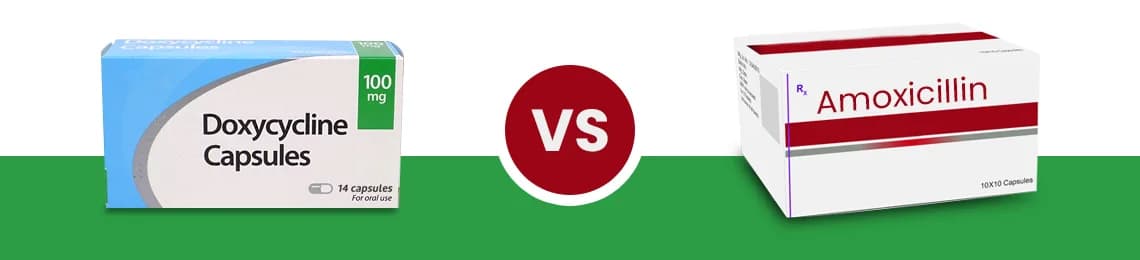
Amoxicillin vs Doxycycline

Drug Class

Penicillin antibiotic
Tetracycline antibiotic

Mechanism of Action

Inhibits bacterial cell wall synthesis, causing bacterial cell death
Inhibits bacterial protein synthesis, preventing bacterial replication

Spectrum of Activity

Effective mainly against gram-positive and some gram-negative bacteria, like Streptococcus and Staphylococcus species
Broad-spectrum; effective against gram-positive, gram-negative, and atypical bacteria, including Mycoplasma, Chlamydia, and Rickettsia

Common Uses

- Respiratory tract infections - Strep throat - Sinusitis - Ear infections - Urinary tract infections - Skin infections - Dental infections
- Respiratory tract infections - Skin infections - Acne - Lyme disease - Certain sexually transmitted infections (e.g., chlamydia) - Rocky Mountain spotted fever

Effectiveness Against Resistant Bacteria

Limited, as many bacteria have developed resistance, particularly Staphylococcus aureus
Effective against a broader range, including some penicillin-resistant bacteria

Dosage Form

Oral tablets, capsules, chewable tablets, and liquid suspension
Oral tablets and capsules; also available as injection for severe infections

Typical Adult Dosage

250-500 mg every 8 hours, or 500-875 mg every 12 hours
100 mg twice daily on the first day, then 100 mg once daily (dosage may vary depending on the condition)

Common Side Effects

- Nausea - Diarrhea - Rash - Possible allergic reactions (especially in those with penicillin allergies) - Yeast infections
- Nausea - Vomiting - Photosensitivity (risk of sunburn) - Esophageal irritation - Teeth discoloration (in children)

Pregnancy Category

Category B (generally safe in pregnancy)
Category D (risk to fetus, not recommended during pregnancy)

Pediatric Use

Safe for children, including infants
Not recommended for children under 8 due to risk of teeth discoloration and effects on bone growth

Special Precautions

Use with caution in individuals with kidney issues; check for penicillin allergies
Avoid excessive sun exposure; take with water and remain upright for 30 minutes to prevent esophageal irritation

Drug Interactions

- Oral contraceptives (may reduce effectiveness) - Warfarin (may increase bleeding risk) - Allopurinol (risk of rash)
- Antacids and calcium supplements (reduce doxycycline absorption) - Iron supplements (may reduce absorption) - Blood thinners (increased bleeding risk) - Oral contraceptives (may reduce effectiveness)

Cost

Generally affordable and widely available in generic form
Often more expensive, especially for branded versions; generic forms available

Storage

Store at room temperature, away from moisture and light
Store at room temperature, avoid heat and excessive moisture

Duration of Treatment

Typically 7-10 days, depending on infection type
Often 7-14 days, may vary based on the type of infection

Common Brand Names

Amoxil, Moxatag
Vibramycin, Oracea, Doryx

Administration Instructions

Can be taken with or without food
Should be taken with a full glass of water, with food if stomach upset occurs, and not just before lying down

Contraindications

- Allergy to penicillin - Kidney disease (use with caution)
- Pregnancy and breastfeeding - Children under 8 years old - Severe liver or kidney disease
Coupon
Coupon Code
IDMBLG30
Use This Coupon To Buy
Coupon Code
IDMBLG30
Use This Coupon To Buy

Frequently Asked Questions

What is the difference between Amoxicillin and Doxycycline?

+

Amoxicillin is a penicillin-type antibiotic that kills bacteria by breaking down their cell walls. Doxycycline is a tetracycline antibiotic that stops bacteria from growing by blocking protein production. They treat different types of infections and aren't usually interchangeable.

Which is better for sinus infections: Amoxicillin or Doxycycline?

+

Amoxicillin is often the first choice for sinus infections caused by common bacteria. Doxycycline may be used if the person is allergic to penicillin or if the infection is resistant to other antibiotics.

Can I take Amoxicillin and Doxycycline together?

+

In most cases, these antibiotics are not taken together. Combining them doesn't usually offer additional benefits and may increase the risk of side effects. Always consult a doctor before combining medications.

Which has more side effects: Amoxicillin or Doxycycline?

+

Doxycycline may cause more digestive upset, sun sensitivity, and teeth discoloration in children. Amoxicillin can cause allergic reactions, especially in people with penicillin allergies. Side effects vary by individual.

Is Doxycycline stronger than Amoxicillin?

+

"Stronger" depends on the type of infection. Doxycycline may work better for acne, Lyme disease, or certain respiratory infections. Amoxicillin is preferred for ear infections, strep throat, or UTIs. Effectiveness depends on the bacteria involved

Related Posts