
International Drug Mart

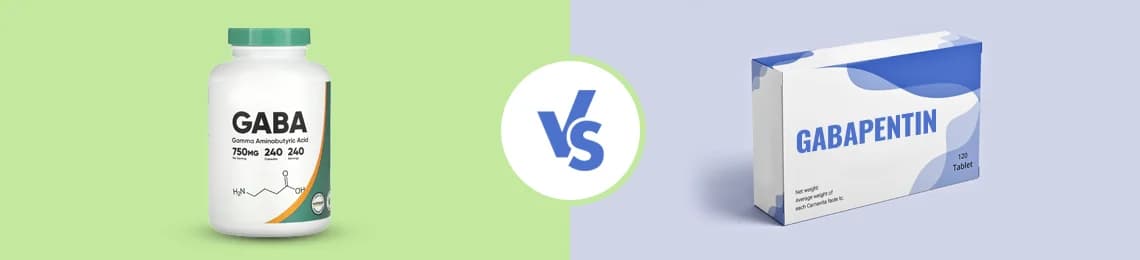
GABA VS Gabapentin

GABA VS Gabapentin

Classification

Neurotransmitter
Anticonvulsant and Nerve Pain Medication

Mechanism of Action

Acts as an inhibitory neurotransmitter in the brain, reducing neuronal excitability.
Modulates calcium channels, indirectly affecting GABA pathways. Does not directly interact with GABA receptors.

Uses

Anxiety relief - Sleep improvement - Stress reduction - Muscle relaxation
- Neuropathic pain (e.g., diabetic neuropathy, postherpetic neuralgia) - Seizure disorders (partial seizures) - Restless legs syndrome - Off-label: Anxiety, migraines

Administration

Dietary supplements in pill, powder, or gummy form
Prescription medication in capsules, tablets, or oral solution

Dosage

Typically 500–1,000 mg/day (varies based on supplement brand)
Initial: 300 mg/day; can be increased to 1,800–3,600 mg/day based on condition and patient response

Onset of Action

Immediate to hours, depending on absorption
Takes several days to weeks for full therapeutic effects

Duration of Action

Short-lived (hours)
5–7 hours for most effects, varies by formulation

Side Effects

Generally mild: - Drowsiness - Fatigue - Upset stomach (rare)
Common: - Drowsiness - Dizziness - Fatigue - Nausea - Peripheral edema Rare: - Mood changes - Suicidal thoughts - Allergic reactions

Contraindications

Rare, but not recommended for severe liver or kidney disease
- Severe kidney disease (requires dose adjustment) - Allergy to gabapentin

Drug Interactions

Minimal; interacts with few medications
Alcohol, opioids, and CNS depressants increase risk of sedation and dizziness

Availability

Over-the-counter (OTC) in most countries
Prescription only

Legal Status

Dietary supplement, not regulated as a drug
Controlled substance in some regions (e.g., UK); not scheduled in the US

Cost

Relatively inexpensive: $10–$30/month
Moderate: $30–$100/month (depending on brand or generic)

Pregnancy & Lactation

Limited safety data; use with caution
Category C (US FDA): Use if benefits outweigh risks

Effectiveness for Anxiety

Anecdotal; mixed evidence, may work as a mild relaxant
Off-label use for anxiety, with stronger evidence compared to GABA

Scientific Evidence

Limited clinical studies on supplementation effectiveness
Extensive studies supporting its use for seizures and neuropathic pain
Coupon
Coupon Code
IDMBLG30
Use This Coupon To Buy
Coupon Code
IDMBLG30
Use This Coupon To Buy

Frequently Asked Questions

What is the difference between GABA and Gabapentin?

+

GABA is a natural chemical in the brain that calms nerve activity. Gabapentin is a prescription drug that mimics GABA's effects but doesn't directly act on GABA receptors. They work differently in the body.

Can GABA and Gabapentin be taken together?

+

Some people use GABA supplements while taking Gabapentin, but this should only be done with a doctor's advice. Combining them may enhance calming effects, but there's limited evidence on how safe or effective it is.

Is GABA or Gabapentin better for anxiety or sleep?

+

Gabapentin is commonly prescribed for anxiety and sleep issues, while GABA supplements are available over the counter but have mixed results. Gabapentin tends to have more reliable effects under medical supervision.

Which has more side effects: GABA or Gabapentin?

+

Gabapentin can cause drowsiness, dizziness, and coordination issues. GABA supplements usually have fewer side effects, but their effectiveness is not well-proven. Always check with your healthcare provider before using either one.

Related Posts