
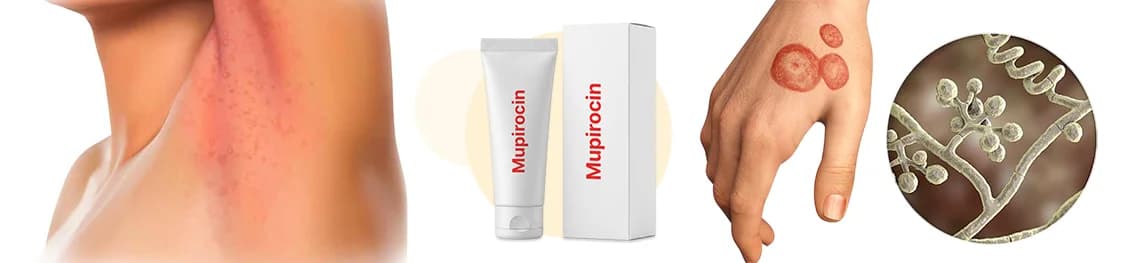

While noticing for the red, itchy rash or some skin irritation, the first instinct is to reach for a tube of ointment. One shall also find Mupirocin in the medicine cabinet and wonder if this medicine can help.
It is a common question, when there are many skin issues look similar. However, while using some of the wrong medicine can sometimes make a skin issue last longer or even get worse.
What is Mupirocin Ointment?
Mupirocin medication is a powerful topical antibiotic. Doctors might all be prescribing it to treat skin infections. This issue is lead to some specific bacteria, like Staph or Strep.
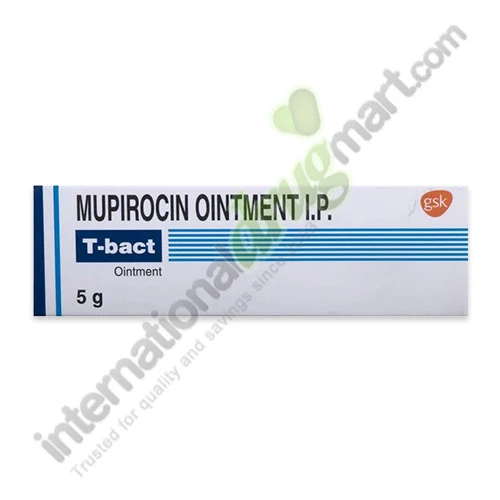
The medication in form of ointment does the job well by stopping bacteria from making the proteins they might need to grow. Without such proteins, the bacteria shall simply die off, and the skin can begin to heal.
One shall also recognize brand names like Bactroban. As, it is usually used for those small cuts that shall get infected or a specific skin condition known as impetigo.
Understanding Yeast Infections
A yeast infection like condition is not caused by anu o not caused by bacteria. Instead, it is led by some of the type of fungus known as Candida. Such fungus like condition shall love warm, moist areas of the body.
Yeast infections can take place just right under the arms, in the groin area, or even between those toes. It can all lead to some of the usually cause intense itching, redness, and a shiny or scaly rash.
As some of the yeast is a fungus and not a bacterium, this can all behave as a different thing. Such main reason is why treatments for one usually will not work for the other.
Does Mupirocin Work on Yeast?
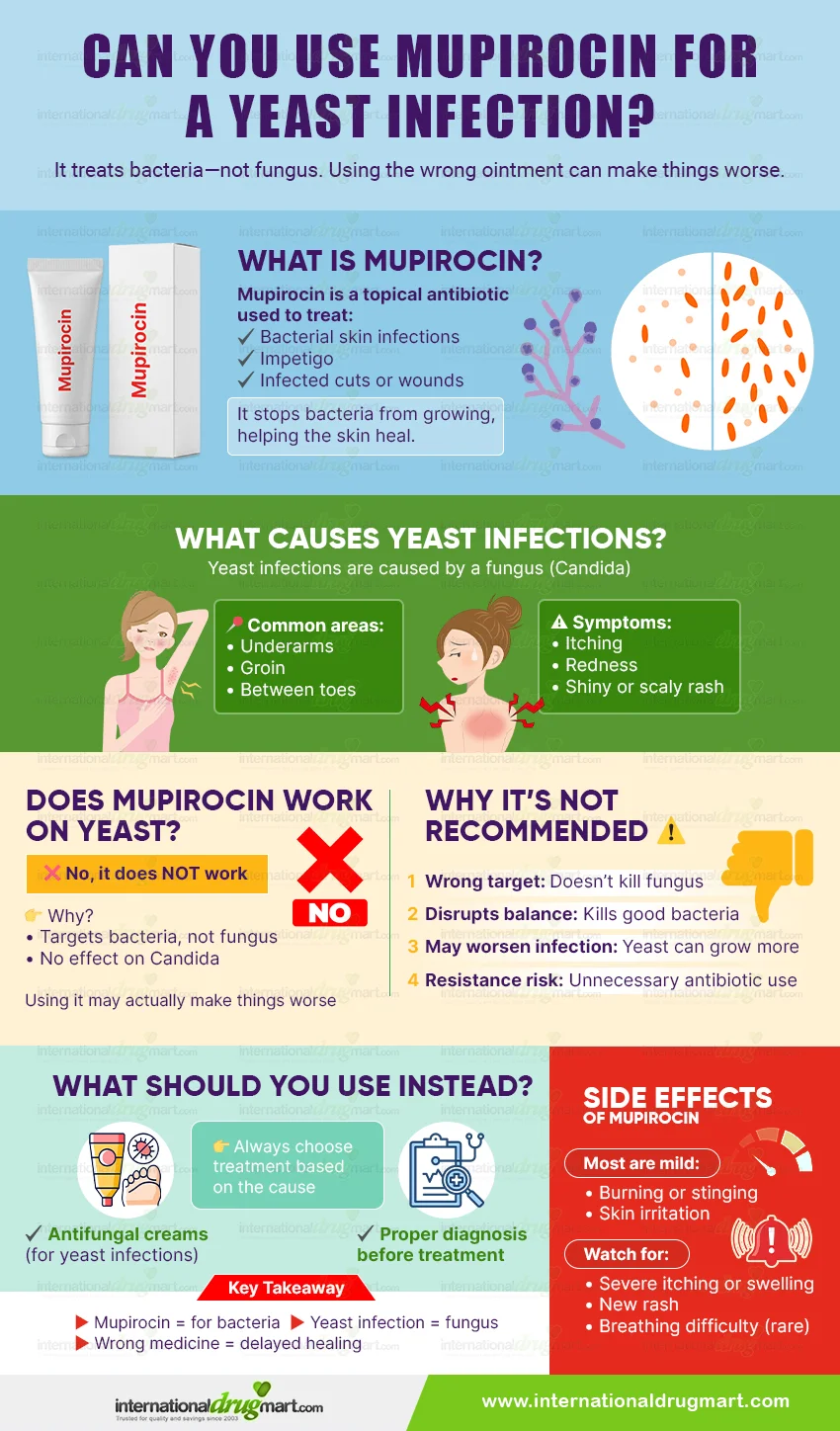
The short answer is absolutely no. Mupirocin medicine is an antibiotic, and antibiotics shall only kill bacteria. They have no effect on fungal organisms like yeast.
In fact, while being on some if the antibiotic which shall be about fungal infection can at times be unhelpful. It might kill off the "good" bacteria on the skin which can help in keeping yeast in complete check.
When the good bacteria are just gone too far, the yeast has more room to grow. This can help in leading to the infection spreading further or becoming more irritated.
Why Mupirocin Isn't for Yeast:
- Target: If at all it helps in targeting bacterial cell walls, not fungal cells.
- Balance: this can further disrupt the natural balance of germs on the skin.
- Resistance: Making use of the antibiotics when they are not needed can lead to "superbugs" that are harder to kill later.
Useage for Mupirocin
If the medicine does not work for yeast, what is Mupirocin solution for? The medicine is highly effective for some of the bacterial skin issues which shall need quick attention.
It is a "gold standard" for overcoming Impetigo. This is a contagious skin infection that helps in creating red sores and "honey-colored" crusts, mostly on children.
Other common uses:
- Infected Scratches: When a small cut shall be further swollen, warm, and painful.
- Folliculitis: An infection which is with respect to the hair follicles, and it shall look like small red bumps.
- MRSA Prevention: Sometimes used in the nose to get rid of dangerous bacteria before getting under some surgery.
How to Apply Skin Ointments Correctly
Whether you are using some sort of medicine branded as Mupirocin for a cut or an antifungal for yeast, it is all about how to apply it matters for your recovery.
- Apply a Thin Layer: You don't need a thick glob; a thin film is enough to do the job.
- Wash Up: Wash your hands again immediately after applying to prevent spreading the infection to other body parts.
- Consistency: Use the medicine for the full amount of time your doctor suggested, even if the skin looks better.
Watch for these signs of an allergic reaction:
- Severe itching or swelling.
- Rashes that have found recently and that was not there before.
- Issues in breathing (which happen to be very rare).
If you notice the infection getting worse after three to five days of use, stop using it and call your healthcare provider.
Why Simply Guessing Can Be Dangerous
Using the wrong cream which is not prescribed can eventually lead to a "mixed infection." This is when one might have both the bacteria and fungus growing in the same spot.
While you can put a steroid cream on a fungal infection, for having some examples, it might stop the itch but let the fungus grow out of control. This is why a proper diagnosis is key.
While you are not highly sure about what you might have, a quick visit to a doctor or a pharmacist can help in saving the days of discomfort. They can usually inform the difference with a simple visual exam.
Preventing Future Skin Infections
The best way for one to handle infections is to simply prevent them from happening in the first place. Keeping your skin's natural barrier healthy is your first line of defense.
Bacteria and yeast both look for "breaks" in the skin. Keeping your skin hydrated but dry in "sweat zones" can make a huge difference.
Prevention Tips:
- Dry Thoroughly: After a shower, make sure skin folds and toes are completely dry.
- Wear Breathable Fabrics: Cotton underwear and loose clothing help air reach the skin.
- Don't Share: Avoid sharing towels, razors, or gym equipment with others.
- Clean Cuts: Wash even small scrapes with soap and water immediately.
If this medication was prescribed to you by your physician, Click here to Buy Mupirocin ointment online with 30% discount offer from internationaldrugmart.