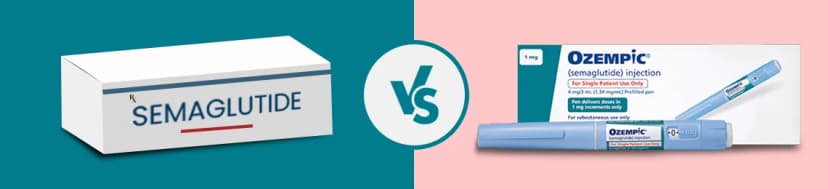
Semaglutide vs Trulicity
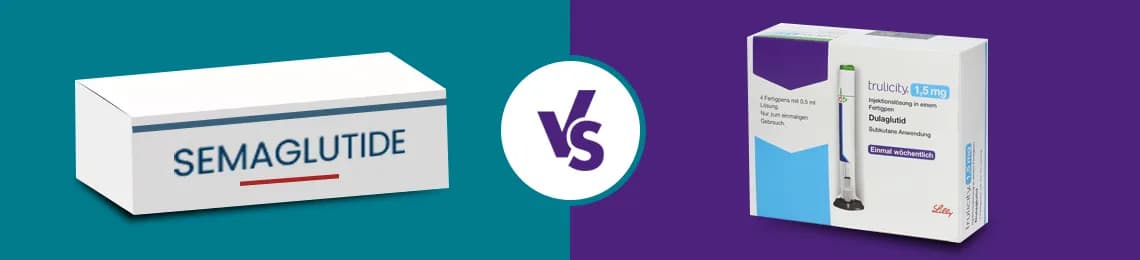
Trulicity
Drug Class
GLP-1 receptor agonist
GLP-1 receptor agonist
Route of Administration
Injectable (Ozempic/Wegovy) and Oral (Rybelsus)
Injectable only
Dosing Frequency
Weekly (injectable) or Daily (oral)
Weekly
Available Strengths
Ozempic: 0.25 mg, 0.5 mg, 1 mg, 2 mg Rybelsus: 3 mg, 7 mg, 14 mg Wegovy: 0.25 mg to 2.4 mg
0.75 mg, 1.5 mg, 3 mg, 4.5 mg
Indications
Type 2 Diabetes (Ozempic, Rybelsus), Chronic Weight Management (Wegovy)
Type 2 Diabetes
Average A1C Reduction
1.0% – 1.5% (varies by dose and formulation)
~0.8% – 1.5%
Weight Loss Potential
Higher (especially Wegovy – up to 15% of body weight)
Moderate (up to 5–6%)
Cardiovascular Benefits
Proven CV risk reduction in people with T2D and high CV risk (Ozempic, Wegovy)
Proven CV benefit in people with T2D and CV disease
Side Effects
Nausea, vomiting, diarrhea, constipation, abdominal pain, risk of pancreatitis
Nausea, diarrhea, vomiting, abdominal discomfort, fatigue
Storage
Refrigerate until opened; room temp use for 56 days (Ozempic)
Refrigerate; can be kept at room temp for up to 14 days
Coupon
Frequently Asked Questions
Which is more effective for weight loss, Semaglutide or Trulicity?
+
Semaglutide generally leads to greater weight loss than Trulicity, especially in higher doses or when using Wegovy.
Can I switch from Trulicity to Semaglutide?
+
Yes, but only under medical supervision. Your doctor will guide dosage and transition timing.
Do both drugs lower A1C levels?
+
Yes, both help reduce A1C, but Semaglutide often shows slightly greater reductions.
Are Trulicity and Semaglutide covered by insurance?
+
Most insurance plans cover both with prior authorization, but coverage may vary by brand and provider.