International Drug Mart

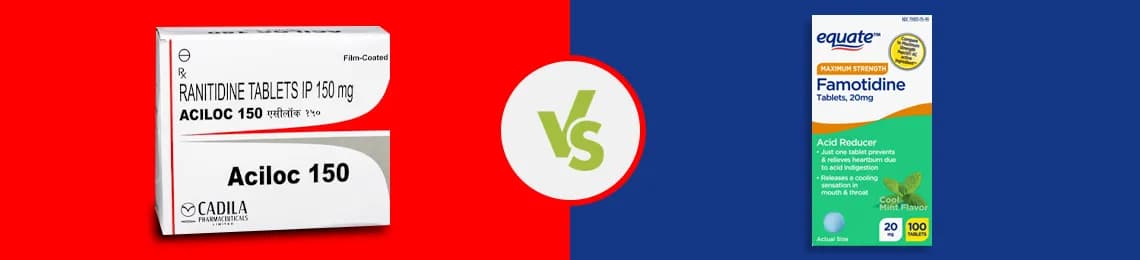
Ranitidine vs Famotidine
Ranitidine vs Famotidine

Drug Class

H2 Receptor Antagonist

Indications

GERD, peptic ulcers, Zollinger-Ellison syndrome, heartburn.

Mechanism of Action

Blocks histamine H2 receptors in stomach lining to reduce acid production.

Administration Route

Oral (tablet, syrup, effervescent); intravenous (IV)
Oral (tablet, chewable tablet, suspension); intravenous (IV)

Dosage

Typically 150 mg twice daily or 300 mg once daily.
Typically 20 mg twice daily or 40 mg once daily.

Common Side Effects

Headache, constipation, diarrhea, abdominal pain.
Headache, constipation, diarrhea, dizziness.

Severe Side Effects

Rare: arrhythmias, liver enzyme changes, blood disorders.
Rare: arrhythmias, seizures, liver enzyme changes.

Drug Interactions

May interfere with drugs requiring acidic pH for absorption (e.g., ketoconazole).
Similar to Ranitidine; slightly fewer drug interactions.

Half-Life

2–3 hours
2.5–3.5 hours

Metabolism

Partially metabolized in the liver; excreted primarily in urine.
Minimal liver metabolism; mostly excreted unchanged in urine.

Excretion

Urine (mainly as metabolites)
Urine (majority unchanged)

Pregnancy Category

Category B (safe in pregnancy; consult a doctor)

Lactation

Excreted in breast milk; use with caution.
Coupon
Coupon Code
IDMBLG30
Use This Coupon To Buy
Coupon Code
IDMBLG30
Use This Coupon To Buy

Frequently Asked Questions

What is the difference between Ranitidine and Famotidine?

+

Ranitidine and Famotidine are both H2 blockers that reduce stomach acid, but Famotidine is generally considered more potent and longer-lasting. Ranitidine was more commonly used in the past but has been withdrawn in many countries due to safety concerns.

Why was Ranitidine taken off the market?

+

Ranitidine was removed from many markets because it was found to contain NDMA, a potentially cancer-causing substance, especially when stored improperly or for long periods.

Is Famotidine safer than Ranitidine?

+

Yes, Famotidine is considered safer. Unlike Ranitidine, it has not been linked to NDMA contamination and is still approved and widely used to treat acid reflux and ulcers.

Can I switch from Ranitidine to Famotidine?

+

Yes, many people who previously took Ranitidine have switched to Famotidine. However, you should talk to a doctor to confirm the right dose and ensure it\'s suitable for your condition.

Which works faster: Ranitidine or Famotidine?

+

Both drugs work relatively quickly, but Famotidine tends to last longer. Its effects can last up to 12 hours, making it suitable for twice-daily dosing to control acid production.
Related Posts