
International Drug Mart

Amlodipine vs Metoprolol
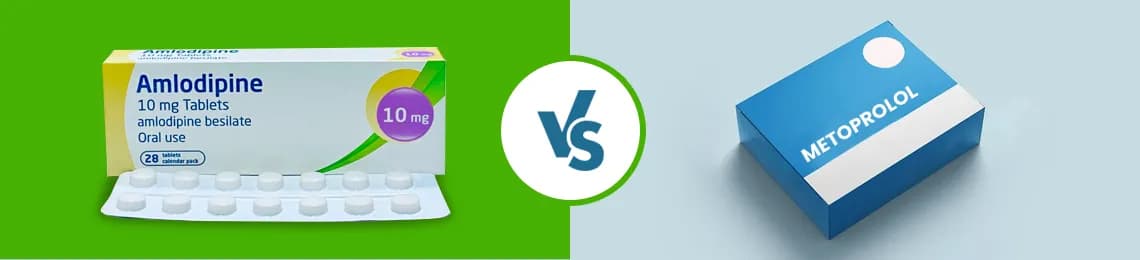
Amlodipine vs Metoprolol

Drug Class

Calcium Channel Blocker (CCB) – Dihydropyridine
Beta-1 Selective Beta-Blocker

Primary Indications

- Hypertension (high blood pressure) - Angina (chest pain) - Coronary artery disease (CAD)
- Hypertension - Angina (chest pain) - Heart failure (Metoprolol succinate) - Post-heart attack prevention

Mechanism of Action

Blocks calcium channels in blood vessels, causing vasodilation and reducing blood pressure.
Blocks beta-1 receptors, slowing heart rate and reducing blood pressure.

Dosage Forms

Oral tablets
Oral tablets, extended-release tablets, IV injection

Common Dosages

- Hypertension: 2.5–10 mg once daily
- Hypertension: 25–100 mg twice daily (IR), 25–200 mg once daily (ER) - Heart failure: 12.5–200 mg daily (ER)

Onset of Action

6–12 hours
1 hour (IR), 4–6 hours (ER)

Duration of Action

~24 hours (long-acting)
IR: 6–12 hours ER: 24 hours

Half-Life

~30–50 hours
IR: 3–7 hours ER: 7–9 hours

Common Side Effects

- Swelling (edema) - Dizziness - Flushing - Fatigue
- Fatigue - Dizziness - Slow heart rate - Cold hands/feet

Serious Side Effects

- Severe hypotension - Worsening heart failure (rare) - Liver dysfunction
- Bradycardia (slow heart rate) - Low blood pressure - Depression - Worsening heart failure

Pregnancy Category

Category C (Use with caution)

Controlled Substance

No
No

Addiction Potential

None
None

Drug Interactions

- Other blood pressure medications (risk of hypotension) - Grapefruit juice (can increase drug levels)
- Other beta-blockers - Calcium channel blockers - Digoxin (bradycardia risk)

Monitoring Parameters

- Blood pressure - Heart rate - Symptoms of fluid retention
- Blood pressure - Heart rate - Symptoms of heart failure

Withdrawal Symptoms

- Blood pressure fluctuations - Rebound hypertension (rare)
- Rebound hypertension - Chest pain - Increased heart rate

Cost and Availability

Affordable, available as generic

Special Considerations

- More effective for African American patients with hypertension. - Causes vasodilation but does not lower heart rate.
- More effective for heart-related conditions (e.g., heart failure, post-heart attack). - Slows heart rate, which may be beneficial for some conditions.
Coupon
Coupon Code
IDMBLG30
Use This Coupon To Buy
Coupon Code
IDMBLG30
Use This Coupon To Buy

Frequently Asked Questions

What is the main difference between Amlodipine and Metoprolol?

+

Amlodipine is a calcium channel blocker that relaxes blood vessels, reducing blood pressure without slowing the heart rate. Metoprolol is a beta-blocker that lowers both blood pressure and heart rate, making it better for heart conditions.

Which medication is better for high blood pressure?

+

Both are effective, but Amlodipine is often preferred for hypertension, especially in African American patients. Metoprolol is better suited for patients with heart failure or a history of heart attacks.

Can Amlodipine and Metoprolol be taken together?

+

Yes, doctors sometimes prescribe them together because they work differently Amlodipine lowers blood pressure by relaxing blood vessels, while Metoprolol reduces heart rate and cardiac workload.

What are the most common side effects of Amlodipine and Metoprolol?

+

Amlodipine may cause swelling (edema), dizziness, and flushing, while Metoprolol can lead to fatigue, slow heart rate, and cold extremities. Always consult your doctor if side effects persist.
Related Posts