
International Drug Mart

Doxycycline vs Azithromycin
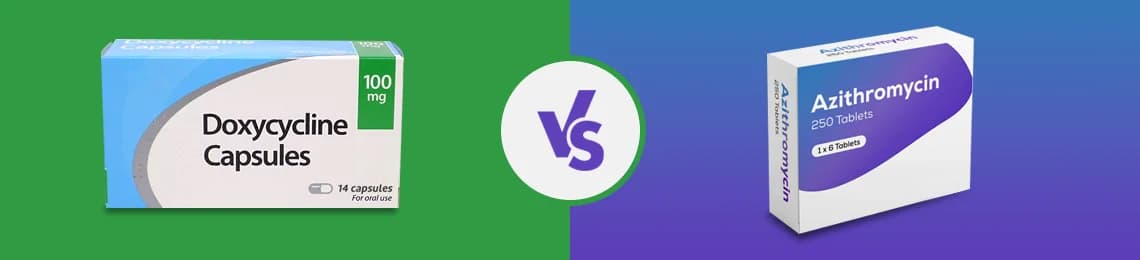
Doxycycline vs Azithromycin

Cost

Generally less expensive
Typically more expensive than doxycycline.

Drug Class

Tetracycline Antibiotic
Macrolide Antibiotic

Mechanism of Action

Inhibits bacterial protein synthesis by binding to 30S ribosomal subunit.
Inhibits bacterial protein synthesis by binding to 50S ribosomal subunit.

Spectrum of Activity

Broad-spectrum, effective against Gram-positive, Gram-negative, and atypical bacteria.
Effective against Gram-positive, Gram-negative, and atypical bacteria, with a focus on respiratory pathogens.

Common Indications

Acne, respiratory infections, Lyme disease, malaria prophylaxis, STIs (chlamydia), and rickettsial infections.
Respiratory infections, skin infections, STIs (chlamydia), and otitis media.

Dosage Forms

Oral tablets, capsules, and IV.
Oral tablets, capsules, suspension, and IV.

Usual Adult Dosage

100 mg twice daily for most infections.
500 mg on day 1, followed by 250 mg daily for 4 days (typical regimen).

Half-Life

Approximately 16–22 hours.
Approximately 68 hours.

Duration of Therapy

7–14 days, depending on the infection.
Typically 3–5 days due to long half-life.

Metabolism

Minimal hepatic metabolism; primarily excreted unchanged in urine and feces.
Hepatic metabolism (via CYP3A4); excreted in bile and feces.

Pregnancy Category

Category D (use only if benefits outweigh risks).
Category B (generally considered safer in pregnancy).

Side Effects

Nausea, vomiting, photosensitivity, esophageal irritation, diarrhea.
Nausea, diarrhea, abdominal pain, potential QT prolongation.

Drug Interactions

Antacids, calcium, iron, and magnesium reduce absorption; increases warfarin effect.
Avoid with antacids; increases effects of warfarin and digoxin; risk of QT prolongation with certain drugs.

Contraindications

Hypersensitivity to tetracyclines, pregnancy, and children under 8 years (due to teeth discoloration).
Hypersensitivity to macrolides; caution in patients with QT prolongation.

Key Advantages

Broad-spectrum activity, effective against rickettsial diseases, and malaria prevention.
Shorter treatment duration, well-tolerated, effective against respiratory infections.

Key Disadvantages

Photosensitivity and esophageal irritation; not suitable for pregnant women or young children.
Potential for QT prolongation and resistance in some pathogens.

Resistance Concerns

Resistance developing in some bacteria, including some Gram-negative strains.
Emerging resistance in Streptococcus pneumoniae and some Gram-negative strains.

Storage Requirements

Store at room temperature away from light and moisture.

Availability

Widely available
Widely available
Coupon
Coupon Code
IDMBLG30
Use This Coupon To Buy
Coupon Code
IDMBLG30
Use This Coupon To Buy

Frequently Asked Questions

Azithromycin vs Doxycycline Which is Stronger?

+

Azithromycin and doxycycline are both powerful antibiotics, but their strength depends on the type of infection. Azithromycin works quickly and stays in the body longer, while doxycycline is effective against a broader range of bacteria. For some infections, doxycycline may be more effective, but azithromycin often requires a shorter treatment course.

Azithromycin vs Doxycycline for Sinus Infection?

+

Both azithromycin and doxycycline can treat sinus infections, but doxycycline is often preferred for chronic or resistant cases. Azithromycin may be used for mild infections due to its shorter treatment time. Your doctor will choose the best option based on your symptoms, medical history, and any antibiotic resistance in your area.

Can I take azithromycin and doxycycline together?

+

In most cases, azithromycin and doxycycline are not taken together because they treat similar bacterial infections. Using both may increase side effects without added benefit. A doctor may recommend both in rare, specific cases based on your condition.

Which is better for acne: azithromycin or doxycycline?

+

Doxycycline is generally preferred for acne due to its strong anti-inflammatory effects and longer-term use potential. Azithromycin may be used when doxycycline isn't tolerated or for shorter treatment periods.

Which antibiotic has fewer side effects: azithromycin or doxycycline?

+

Both can cause side effects, but azithromycin is usually better tolerated and has a shorter course. Doxycycline may cause more stomach upset and sun sensitivity. The best option depends on your individual health and condition.

Related Posts