

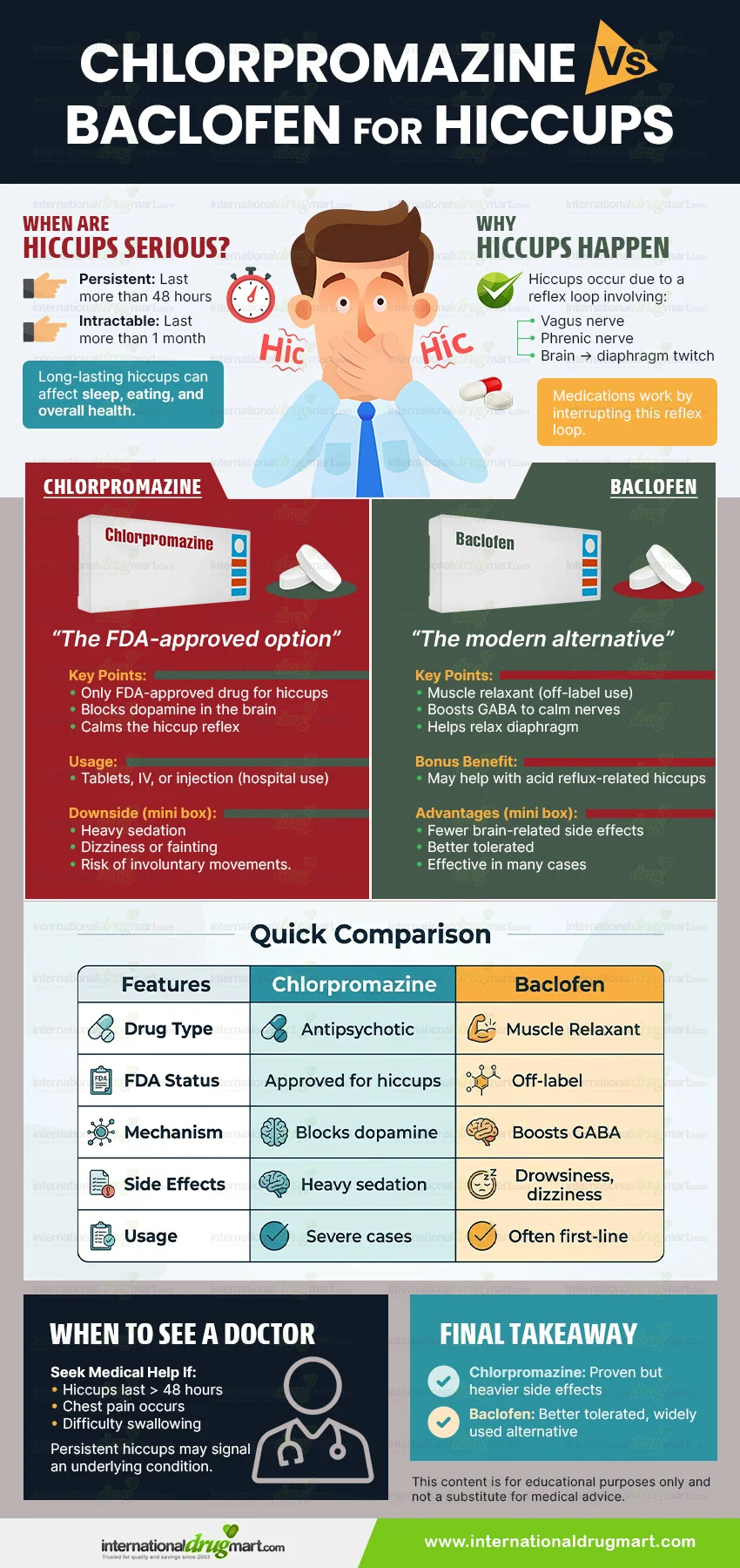
Medical experts use specific terms for long-lasting hiccups. If they last over 48 hours, they are called "persistent." If they last over a month, they are "intractable."
Constant hiccups are more than just annoying. They can make it hard to sleep, eat, or even speak. Over time, this leads to exhaustion and weight loss.
Chronic hiccups are often a sign of an underlying issue. This could be nerve irritation, acid reflux, or even issues in the brain. Treating the cause is the first step.
The Hiccup Reflex Arc
To understand how meds work, you need to know why we hiccup. It involves a "reflex arc." This is a loop of nerves and muscles.
The main parts are the vagus nerve and the phrenic nerve. They send signals to your brain. Your brain then tells your diaphragm to twitch.
Chlorpromazine and Baclofen work by "breaking" this loop.
Chlorpromazine: The "Gold Standard"
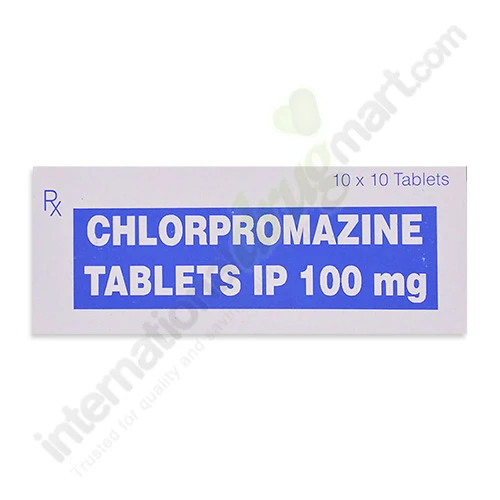
Chlorpromazine is often known by the brand name Thorazine. It is an older medication originally made to treat psychiatric disorders like schizophrenia.
In the medical world, it is famous for one big reason. It is the only drug currently approved by the FDA specifically for hiccups.
Because it has been around since the 1950s, doctors have decades of data. They know exactly how it behaves in the body.
How It Works for Hiccups
Chlorpromazine belongs to a class of drugs called "typical antipsychotics." It works by blocking dopamine in the brain.
Dopamine is a chemical that helps transmit signals. By blocking it in certain areas, the drug can calm the hiccup reflex.
It is often given as a pill. However, in severe hospital cases, it can be given through an IV or an injection for faster relief.
The Downside of Chlorpromazine
While it is effective, it is a very "heavy" medication. It can make you feel extremely tired or groggy.
This can cause dizziness or even fainting spells.
There is also a risk of "extrapyramidal" side effects. These are involuntary muscle movements or tremors that can be quite uncomfortable.
Baclofen: The Muscle Relaxant Alternative
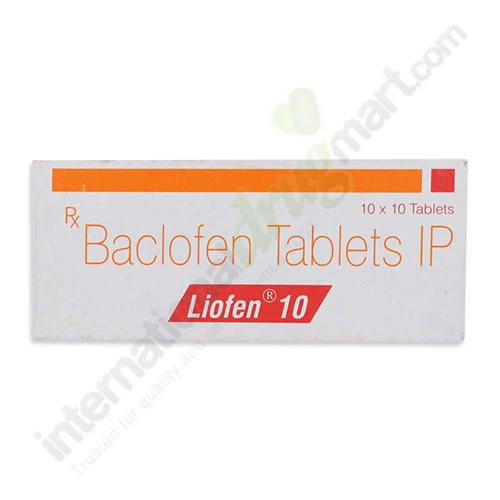
Baclofen is sold under brand names like Lioresal. It was not originally made for hiccups either. Its main use is for muscle spasms.
Many doctors now prefer Baclofen over Chlorpromazine. Even though it is "off-label" for hiccups, it is widely used in clinics today.
It is generally considered a "cleaner" drug for this purpose. This means it often has fewer intense side effects on the brain.
How It Works for Hiccups
Baclofen is a GABA agonist. GABA is a chemical in your body that tells your nervous system to "slow down" and relax.
By boosting GABA, Baclofen reduces the excitability of the nerves. This helps settle the diaphragm and the reflex arc.
It also helps relax the lower esophageal sphincter. This is useful because acid reflux is a very common cause of chronic hiccups.
Benefits of Baclofen
Studies show that Baclofen can be very effective. In some cases, Baclofen stops hiccups that Chlorpromazine could not touch.
It is usually easier for patients to tolerate. It doesn't cause the same level of heavy "brain fog" as older antipsychotics.
Most people take it as a simple tablet. The dose starts low and is slowly increased until the hiccups finally stop.
Chlorpromazine vs Baclofen: The Comparison
Choosing between these two depends on several factors. Your doctor will look at your age, health history, and the cause of your hiccups.
| Feature | Chlorpromazine (Thorazine) | Baclofen (Lioresal) |
| Drug Class | Antipsychotic | Muscle Relaxant |
| FDA Status | FDA-Approved for hiccups | Off-label use |
| Primary Action | Blocks Dopamine | Boosts GABA |
| Main Side Effect | Heavy Sedation | Drowsiness / Dizziness |
| Usage | Second-line or severe cases | Often used as first-line |
Why FDA Approval Matters (And Why It Doesn't)
You might wonder why anyone would use Baclofen if Chlorpromazine is the one with FDA approval. The answer is mostly history.
Chlorpromazine got its approval decades ago. Baclofen came later, and the makers never spent the millions needed for a new FDA "hiccup" label.
In modern medicine, "off-label" use is very common. Doctors follow clinical trials and "best practices" rather than just the label.
Side Effects and Safety
Both drugs are powerful. You should never take them without a prescription and a doctor's guidance.
- Drowsiness: Both drugs can make you sleepy. Do not drive until you know how they affect you.
- Dizziness: Moving too quickly can make you feel lightheaded.
- Dry Mouth: This is a common complaint for both medications.
- Kidney Health: Baclofen is cleared by the kidneys. People with kidney issues must be very careful.
Who Should Avoid Chlorpromazine?
Older adults should be cautious with Chlorpromazine. People with a history of low blood pressure may find it makes their symptoms worse. It is often reserved for younger, healthier patients.
Who Should Avoid Baclofen?
If you have kidney disease, Baclofen can build up in your system. This can lead to serious confusion or even a coma.
You also cannot stop Baclofen "cold turkey." Doing so can cause withdrawal symptoms like seizures or hallucinations.
What the Research Says
Clinical studies have compared these treatments many times. Most evidence suggests that both are effective, but Baclofen is gaining favor.
Chlorpromazine remains a strong backup. It is often used if Baclofen fails or if the patient is already in the hospital.
Some doctors even use a combination. They might use a small dose of both to get the benefits while keeping side effects low.
Lifestyle Tips for Managing Hiccups
While meds are doing the heavy lifting, you can help your body recover. Sometimes small changes make a big difference.
- Eat Smaller Meals: Overfilling your stomach can trigger the vagus nerve and start hiccups again.
- Avoid Carbonation: Bubbles in soda can irritate the diaphragm.
- Manage Stress: Anxiety can make the nervous system "jumpy," which keeps the reflex arc active.
- Sleep Propped Up: If reflux is causing your hiccups, sleeping at an angle can prevent irritation at night.
When to See a Doctor
If your hiccups last more than 48 hours, see a professional. Do not wait for them to "just go away."
You should also see a doctor if hiccups are accompanied by chest pain or difficulty swallowing. These can be signs of other issues.
A doctor will likely perform tests. These might include blood work, a chest X-ray, or even an endoscopy to look at your throat.
Final Thoughts
Chronic hiccups are a serious medical hurdle. They drain your energy and affect your quality of life.
Chlorpromazine is the "old school" approved choice. It works well but can be very hard on your energy levels.
Baclofen is the modern, muscle-relaxing alternative. It is often better tolerated and highly effective for most people.
Everybody is different. Your doctor will help you decide which path is safest for your specific situation.