
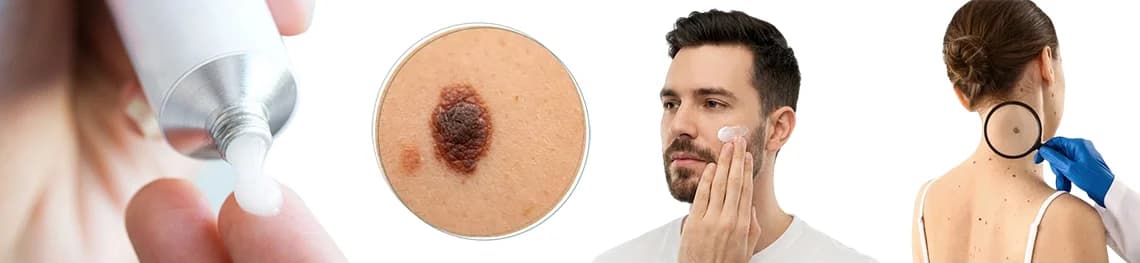
Dealing with conditions like skin cancer diagnosis can feel overwhelming and scary at the same time. Fortunately, getting it operated is not the only way to overcome this type of skin conditions. Getting help of that topical chemotherapy, usually called as "chemo cream," is a common and effective option.
The known solution can help in apply the solution directly to the affected area at home. This cream mainly targets and destroys abnormal cells. It also spares the healthy skin which is present right underneath. It is a non-invasive choice that can prefer for cosmetic reasons.
What Exactly is Chemo Cream?
Chemo cream (Fluorouracil) is a prescription solution that helps to overcome precancerous and cancerous skin cells. Unlike some other traditional chemotherapy that can travel through the whole body, this solution is quite well localized. The medication stays mostly on the surface of the skin where you apply it.
It does the job simply by interfering with certain DNA of fast-growing cancer cells. At the same time, it helps in preventing the bad cells from multiplying and eventually leading them to death. Such powerful tool helps in catching skin issues before it turns out to be super serious.
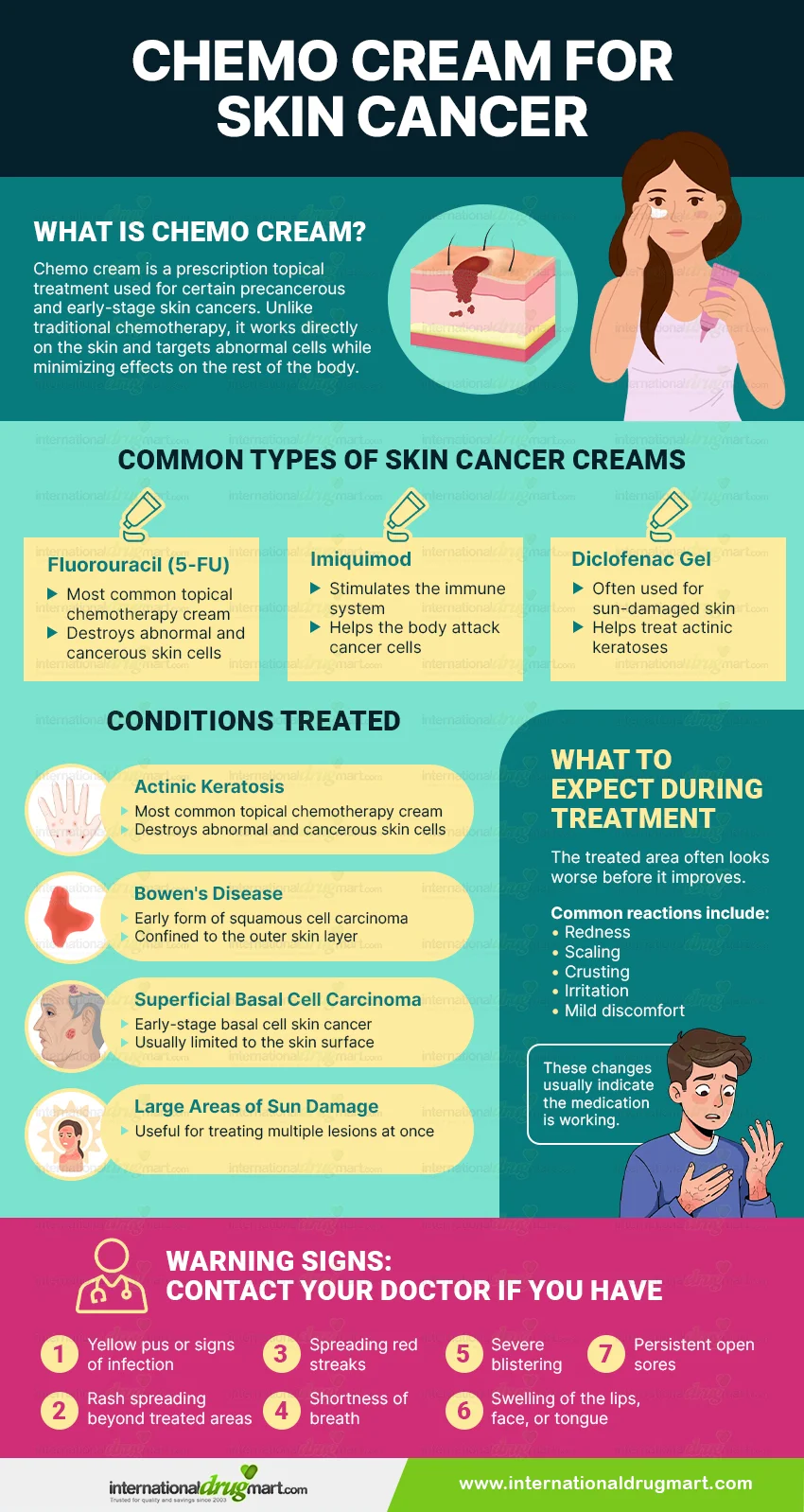
Commonly prescribed types of topical treatments include:
Fluorouracil (5-FU): It is the most common "true" chemo cream to kill numerous cells.
Imiquimod: The immunotherapy cream can aid immune system to fight the cancer.
Diclofenac: A gel that is usually used for rough, sun-damaged patches.
Conditions Treated with Topical Creams
Not all skin cancers can be treated with a simple cream. Some of these solutions are usually reserved for early-stage or superficial issues. Doctors are to know about some of the things like cancer and it has not spread deep into the skin.
One major use is for the topical cream like Actinic Keratosis is about to be done on those rough patches from sun damage.
When these are left alone, the patches can simply turn into squamous cell carcinoma over time. Treating them early with cream can prevent some severe diagnosis later.
Topical chemotherapy is frequently used for the below conditions:
Superficial Basal Cell Carcinoma: Other common and slow-growing skin cancer can be under this section.
Bowen’s Disease: This is just about some early, non-invasive form that can be with regards to squamous cell cancer.
Large Areas of Damage: Creams are just so great for overcoming the wide areas of sun damage.
How to Apply the Medication Safely
Applying easy to use chemo cream is a simple but can also need proper care to it. You must follow the doctor’s specific schedule to get proper outcomes. Most people can apply the cream once or twice a day for several weeks.
Before you can begin, make sure that you wash the area using mild soap and simply pat it dry. Make sure that a cotton-tipped applicator is used carefully or a gloved finger to spread as good as a thin layer. Wash the hands as soon as you are done applying as you have not used any glove or applicator.
Keep some of these safety tips in mind while that ongoing treatment:
Avoid Sensitive Areas: Make sure that the cream is kept at a safe distance from the eyes, nose, and mouth.
No Airtight Bandages: Avoid covering the area with plastic or tight dressings.
Pet Safety: the solution can be fatal to pets can be about licking the skin.
Consistency: Make sure to use it at the same time every day for keeping the medicine working.
What to Expect During Treatment
Knowing how one can learn about your skin will look worse before it can look better together. This is about the sign which are related to the medication is successfully attacking the cancer cells. The area is well treated as it can likely be about becoming red, scaly, and very irritated.
You might feel a stinging or burning sensation shortly after application. Some people also experience itching or mild swelling in the target area. This "ugly phase" is normal and usually peaks toward the end of treatment.
Here are some of the typical timelines for the skin’s reaction as mentioned below:
Week 1 to 2: Redness and minor irritation can be about beginning to appear.
Week 3 to 4: The area which can scab, crust, or can be sore.
Post-Treatment: The skin heals, usually it can leave a smooth, healthy appearance.
Why Choose Cream Over Surgery?
The biggest benefit of using this chemo cream over anything extreme is the lack of a surgical scar. Surgery can also be about some issues while being suffering from cancer is on the face or ears. Creams are known to offer a smoother cosmetic outcome once the skin can recover it all by itself.
Another benefit is the ability for overcoming "field cancerization" at a go. It is considered as cream treat for the visible spots that is hidden at nearby places. It cleans up the entire area while simply cutting out one single lump.
However, creams are not always the right choice for everyone. It is needed for holding a long discipline to apply correctly for numerous weeks. While being preferred as "one and done" approach, surgery might be better for you.
Final Thoughts on Your Treatment
Chemo cream is trusted for being a powerful and effective way for reclaiming the skin health. Though such process it can be about being uncomfortable. The outcomes are usually excellent and most of the patients have find that the temporary irritation is well worth the outcome.
Always try to stay in close contact with the medical team while getting into the process. They can provide the support and adjustments; this helps you to claim the success. The commitment to the treatment plan is the key for holding and reliving a cancer-free future.